The Evolution of CNC Machining Parts Manufacturing
Since its inception, CNC (Computer Numerical Control) machining has transformed the landscape of manufacturing. As a pivotal technology, it has revolutionized how precision parts are fabricated across various industries. The evolution of CNC machining spans several decades and consists of notable milestones, current trends influencing manufacturing standards, and promising innovations expected by 2026. As we delve into this dynamic field, it becomes crucial to understand how organizations like cnc machining parts manufacturer adapt to these changes to deliver quality and efficiency.
Historical Milestones in CNC Technology
The journey of CNC machining can be traced back to the early 1950s when the first numerically controlled machine tools were developed. This marked a significant transition from manual machining to automation, allowing for greater precision and easier reproduction of parts. The introduction of microprocessors in the 1970s further propelled the technology, enabling more sophisticated control and programming capabilities. In the 1980s, CAD (Computer-Aided Design) systems began to integrate with CNC technology, resulting in seamless production workflows.
Current Trends Influencing Manufacturing Standards
Today's CNC machining industry is heavily influenced by trends such as Industry 4.0, where digitalization and connectivity play a crucial role. Smart manufacturing systems that incorporate IoT (Internet of Things) technologies facilitate real-time monitoring and improved decision-making capabilities. Additionally, there is a growing emphasis on sustainability and eco-friendly practices, pushing manufacturers to adopt greener processes and materials.
Key Innovations Expected by 2026
Looking ahead, several innovations are on the horizon that could reshape CNC machining. One of the most anticipated developments is the rise of artificial intelligence (AI) and machine learning in manufacturing. These technologies can optimize production schedules, enhance predictive maintenance, and reduce operational costs. Furthermore, advancements in materials, such as composites and metals with unique properties, are expected to drive new applications for CNC machined parts across various sectors.
Understanding Customer Needs in CNC Machining
As the market for CNC machining services grows, manufacturers must prioritize understanding their customers’ needs. Identifying pain points and aligning services to address them is critical for maintaining a competitive edge. This involves not only producing high-quality components but also ensuring effective communication and tailored solutions.
Identifying Pain Points for Clients
Manufacturers often face challenges such as tight deadlines, high-quality expectations, and cost constraints. Clients may struggle to find a CNC machining parts manufacturer that can deliver precision within these parameters. Understanding these pain points allows manufacturers to offer solutions that not only meet but exceed client expectations.
Effective Communication Strategies for Manufacturers
Clear communication between manufacturers and clients is invaluable. Regular updates throughout the production process, transparent pricing models, and responsiveness to client inquiries can foster trust and loyalty. Utilizing customer relationship management (CRM) tools can streamline this process, ensuring that all stakeholder requirements are accurately captured and addressed.
How to Customize Solutions for Diverse Industries
Every industry has unique requirements for CNC machining parts. For example, the automotive sector may prioritize durability and compliance with safety standards, while industries such as aerospace may focus on lightweight materials and precision engineering. By understanding these distinct needs, manufacturers can customize their offerings to deliver tailored solutions that meet specific industry standards.
Quality Assurance Practices for CNC Machining Parts
Quality assurance is a non-negotiable aspect of CNC machining that ensures the reliability and functionality of parts produced. Implementing rigorous quality control practices protects manufacturers’ reputations and enhances customer satisfaction.
Importance of Certification and Standards
Adhering to international standards such as ISO 9001 is essential for CNC machining companies. These certifications not only provide a framework for maintaining quality but also assure clients of consistent processes and products. Compliance with such standards can serve as a competitive advantage in a crowded marketplace.
Implementing Rigorous Testing Procedures
Manufacturers must employ various testing protocols to verify the quality of machined parts. This can include dimensional inspection, material testing, and performance evaluations under simulated conditions. By investing in advanced testing equipment and methodologies, manufacturers can ensure that the parts meet all technical specifications and reduce the risk of defects.
Using Technology for Quality Control
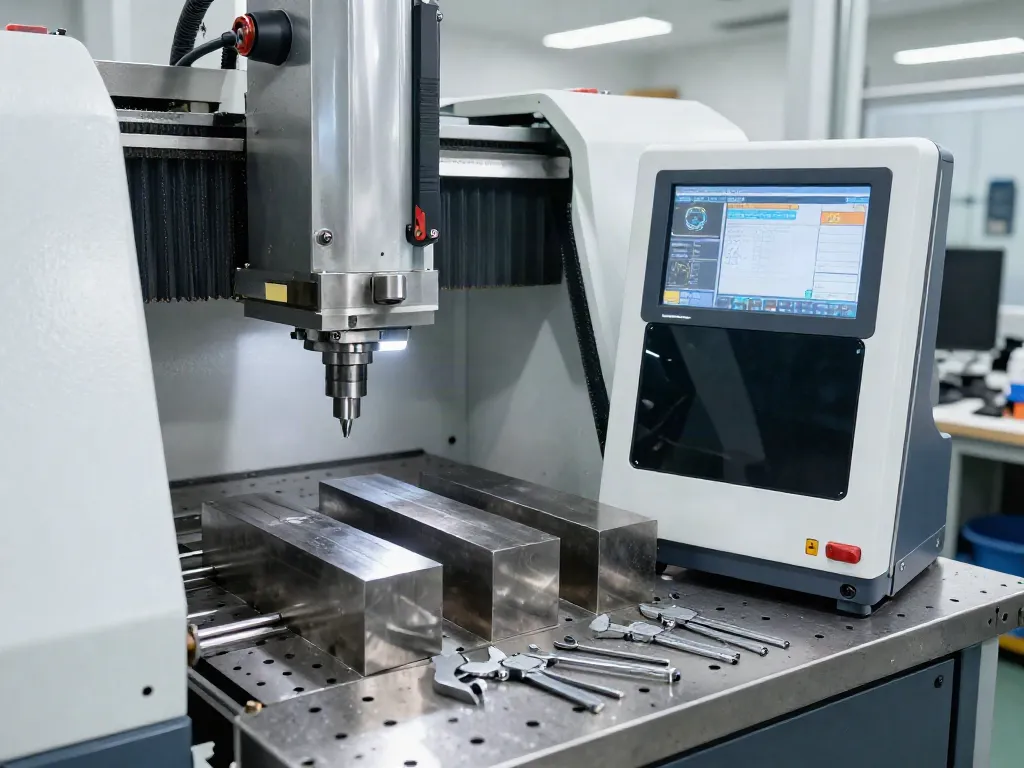
Technology plays a pivotal role in enhancing quality control processes. Modern CNC machines are equipped with integrated sensors and software that can monitor production in real time, flagging deviations from desired parameters immediately. This proactive approach helps in minimizing waste and ensuring that high standards of quality are maintained throughout the manufacturing cycle.
Challenges Faced by CNC Machining Manufacturers
The CNC machining industry is not without its challenges. Manufacturers must navigate various obstacles, from supply chain disruptions to workforce training, that can impact productivity and service delivery.
Supply Chain Disruptions in the Industry
Global events, such as the COVID-19 pandemic, have highlighted vulnerabilities within supply chains. Delays in raw material procurement can lead to increased lead times and cost overruns. Manufacturers must establish resilient supply chains by diversifying suppliers and utilizing just-in-time inventory systems to mitigate risks.
Workforce Skills Gap and Training Solutions
The skills gap in the manufacturing sector is a pressing issue. As technologies evolve, there is a growing need for a workforce that is proficient in advanced machining techniques and technologies. Investing in training programs and partnerships with educational institutions can help bridge this gap, ensuring that employees are equipped with the necessary skills to excel in a modern manufacturing environment.
Regulatory Compliance and Environmental Impact
Compliance with environmental regulations is increasingly critical for CNC machining manufacturers. Companies must adopt practices that minimize waste, reduce emissions, and conserve resources. This can involve investing in energy-efficient machinery and exploring alternative materials to lessen their environmental footprint.
Future Trends in CNC Machining and Manufacturing
The future of CNC machining is poised for tremendous growth and innovation, driven by technological advancements and changing market demands. As the industry prepares for 2026 and beyond, manufacturers must remain agile and proactive in adapting to these trends.
Adoption of AI and Automation in Production
AI is expected to become a cornerstone of CNC machining, enabling smarter production processes and predictive analytics. Automation will streamline operations, reduce labor costs, and enhance precision. Companies that embrace these technologies early will likely gain a significant competitive advantage.
Integrating Sustainability into Manufacturing Practices
As sustainability becomes paramount, CNC machining manufacturers will need to integrate environmentally friendly practices into their operations. This includes utilizing renewable energy sources, recycling materials, and adopting sustainable supply chain practices to meet growing consumer demand for eco-friendly products.
Predicting Market Demand for 2026 and Beyond
Market demand for CNC machining services is expected to rise, driven by sectors such as aerospace, healthcare, and renewable energy. Manufacturers should stay ahead of the curve by forecasting trends and adapting their services accordingly, ensuring readiness to meet client needs in an evolving market landscape.
What are the primary advantages of CNC machining?
CNC machining offers numerous advantages, including high precision, repeatability, and the ability to work with a diverse array of materials. Other benefits include reduced operational costs, faster production times, and minimized waste, making it a preferred choice for manufacturing intricate parts.
How to select the right CNC machining parts manufacturer?
Choosing the right CNC machining parts manufacturer requires evaluating various factors, including their experience, quality assurance practices, and customer reviews. It’s also important to consider their ability to customize solutions for specific industry needs and their adherence to relevant certifications.
What industries benefit most from CNC machining services?
CNC machining services are utilized across multiple industries, including aerospace, automotive, medical, and electronics. Each sector benefits from the precision and efficiency of CNC technology, making it integral to modern manufacturing practices.
How can advanced technologies enhance CNC machining efficiency?
Advanced technologies such as IoT, AI, and machine learning can significantly enhance CNC machining efficiency by optimizing production processes, improving maintenance schedules, and reducing downtime through predictive analytics. Implementing these technologies can lead to better resource management and overall productivity.
What is the future of precision machining in manufacturing?
The future of precision machining is bright, with continuous technological advancements driving efficiency and sustainability. As the demand for customized and high-precision components grows, manufacturers must leverage innovation to stay competitive and responsive to market changes.