Understanding the Importance of Flagpoles in Australia
Flagpoles serve as powerful symbols of national pride, identity, and civic engagement, playing an essential role in various Australian settings, from residential areas to public and commercial spaces. The materials and construction standards of flagpoles significantly impact their durability, aesthetics, and compliance with local regulations. When exploring options, flagpoles australia offers comprehensive insights on quality and selection.
What Are Flagpoles Used For?
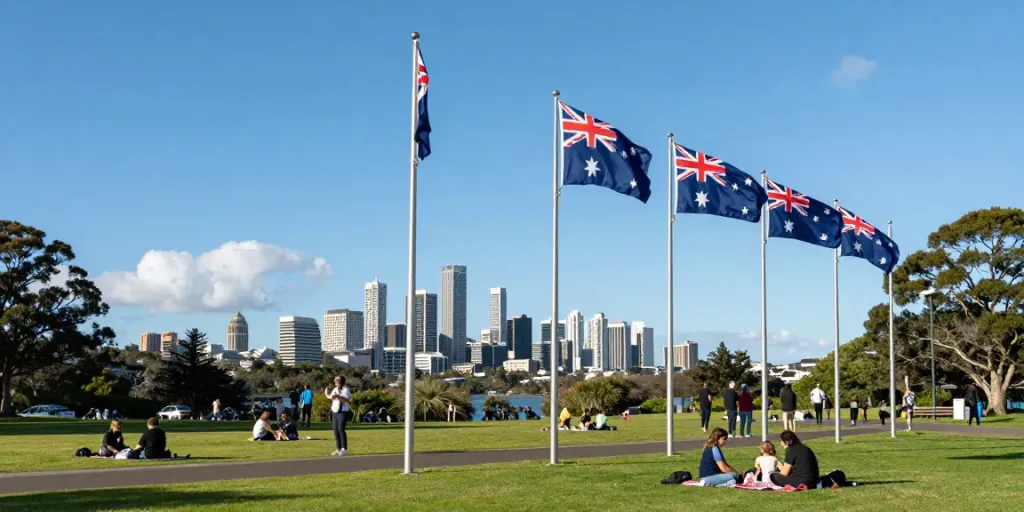
Flagpoles are utilized for a multitude of purposes, primarily for displaying flags. They can represent national identity, heritage, corporate branding, or even a personal statement. In public spaces, flagpoles are often found in parks, government buildings, and schools, serving as focal points during ceremonies and celebrations. In residential areas, they are used to showcase national pride or decorative flags that resonate with individual homeowners.
Types of Flagpoles Available
There are several types of flagpoles available in Australia, each catering to different needs and environments:
- Standard Flagpoles: These are the most common and are used in a variety of settings.
- Wall Mounted Flagpoles: Ideal for locations with limited ground space, typically attached to buildings.
- Yacht Squadron Flagpoles: Designed specifically for coastal and marine environments.
- Custom Flagpoles: Tailored to meet specific requirements or designs.
Historical Significance of Flag Displays
Flag displays have a rich history in Australia, marking significant events such as national holidays, commemorative days, and sports championships. They serve as visual reminders of Australia's diverse cultures and the values held within the nation. Flagpoles, therefore, do not merely serve functional purposes; they contribute to the cultural landscape and collective memory of the country.
Choosing the Right Flagpole for Your Needs
Selecting the appropriate flagpole requires careful consideration of various factors, including location, material, and intended use. Each choice influences both the durability of the flagpole and the visual impact of the flag display.
Residential vs. Commercial Applications
When selecting a flagpole for residential use, homeowners often opt for elegant designs that blend seamlessly with their property's aesthetics. In contrast, commercial applications require more robust solutions that can withstand higher wind loads and constant use. Consideration of local zoning laws and regulations may also impact your flagpole selection.
Materials Used in Flagpole Manufacturing
Flagpoles are constructed from various materials, primarily aluminum and fiberglass. Aluminum flagpoles are favored for their lightweight yet durable properties, making them capable of enduring harsh weather conditions. Fiberglass offers a non-conductive material choice that is less prone to corrosion but may not have the same longevity as aluminum. Understanding the pros and cons of different materials is critical for long-term satisfaction.
Understanding Wind Ratings and Durability
Wind ratings indicate how much wind a flagpole can withstand before sustaining damage. For instance, Goldspar flagpoles are designed to resist winds up to 180 km/h, ensuring longevity even in adverse weather conditions. When selecting a flagpole, it is essential to consider your local climate to choose a model that can withstand the unique challenges your area presents.
Installation Best Practices for Flagpoles Australia
Proper installation of flagpoles is crucial for maximizing their lifespan and ensuring safety. A poorly installed flagpole can lead to structural failures and potential hazards.
Site Preparation and Foundation Requirements
Before installation, site preparation is essential. This includes assessing soil conditions and determining the appropriate type of foundation. The depth and width of the footing will vary based on the pole height and local weather conditions. For residential installations, a simple concrete base often suffices, while larger installations may require more extensive groundwork.
Common Installation Mistakes and How to Avoid Them
Common mistakes in flagpole installations include inadequate foundations, improper alignment, or neglecting to secure the halyard properly. To avoid these pitfalls, it is imperative to follow the manufacturer’s guidelines carefully and consult professionals if unsure about certain aspects of the installation process.
Hiring Professionals vs. DIY Installation
While many individuals opt for DIY installation of flagpoles, hiring professionals can ensure compliance with safety standards and efficient installation, particularly for larger poles or those requiring complex mounting. Professionals have the expertise to address unique challenges and may even provide warranties for their work.
Maintaining Your Flagpole for Longevity
Regular maintenance is key to ensuring that your flagpole remains in good condition, particularly with exposure to the elements.
Regular Inspection and Cleaning Tips
Frequent inspections should include checking for signs of wear, rust, or damage. Cleaning the pole to remove dirt and debris will help maintain its appearance and prolong its life. Use mild soap and water to clean aluminum and avoid abrasive materials that could scratch the surface.
Repairing and Replacing Flagpole Components
Over time, certain components such as halyards, clips, or finials may need repair or replacement. It's essential to use quality replacements to maintain the integrity of the flagpole and ensure it functions correctly. Consult a professional if unsure about the best parts to use.
Seasonal Considerations for Flagpole Care
Different seasons can pose unique challenges for flagpole maintenance. During winter, ensure that snow or ice does not accumulate on the pole, as this can add excess weight and strain. In coastal areas, regular cleaning is required to remove salt deposits that can lead to corrosion.
Future Trends in Flagpole Design and Usage
As design trends evolve, so too do the materials and functionalities of flagpoles. Staying informed on upcoming trends can help individuals and businesses make informed decisions.
Innovation in Materials and Sustainability
Innovative materials that are lighter and more durable are emerging, prioritizing sustainability without sacrificing strength. Options such as recycled aluminum are gaining popularity as environmentally friendly alternatives.
Customization Trends for Corporate Branding
Custom flagpoles are increasingly used to reflect corporate branding and identity. Businesses are seeking tailored designs that fit their brand ethos, including unique colors, sizes, and finishes to stand out in competitive markets.
The Growing Importance of Eco-Friendly Practices
As more organizations focus on sustainability, eco-friendly practices in flagpole production and installation are becoming essential. This not only enhances brand image but also aligns with the values of environmentally conscious consumers.
What are the regulations for flagpoles in Australia?
Flagpole regulations may vary by state and locality, often involving height restrictions or specific materials that align with safety standards. It’s essential to consult local guidelines before the installation process to avoid penalties.
Why is the Australian flag special?
The Australian flag represents the nation’s history, culture, and values, with its unique design combining the Union Jack and the Southern Cross. It symbolizes unity and identity and is widely displayed across the country.
Can I install a flagpole on a wall or building façade?
Yes, wall-mounted flagpoles are an ideal solution for properties with limited ground space. They can be attached to various vertical surfaces and come with different bracket configurations to accommodate various architectural styles.