Understanding Automatic Bag Palletizer Machines
In the fast-paced world of manufacturing and logistics, efficiency and reliability are paramount. The automatic bag palletizer machine stands out as a vital piece of equipment that enhances operational workflows significantly. These machines are designed to automate the process of stacking bags onto pallets, thereby reducing the need for manual labor and speeding up production lines. With advancements in technology, today's bag palletizers are equipped with sophisticated features that cater to the diverse needs of various industries, from food and beverage to pharmaceuticals and chemicals.
What is an Automatic Bag Palletizer Machine?
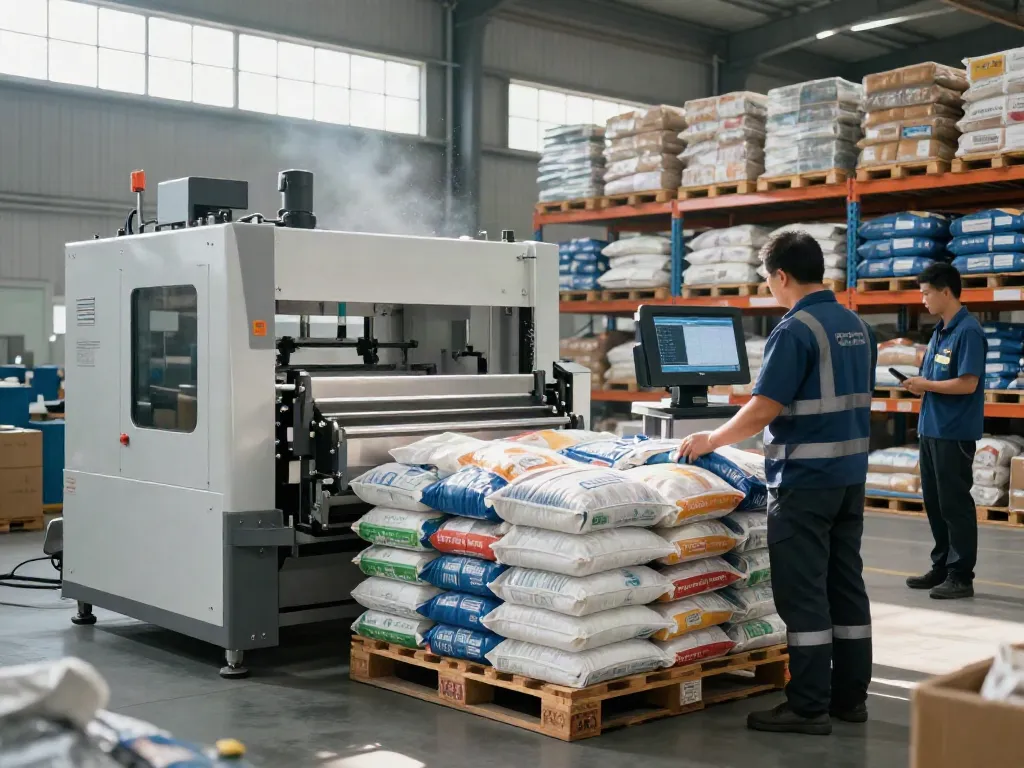
An automatic bag palletizer machine is a robotic system that efficiently arranges filled bags onto pallets in an organized manner. This type of automation is essential in industrial settings where speed and precision are required to keep production lines running smoothly. Unlike manual palletizing, which is labor-intensive and prone to human error, automatic palletizers utilize programmable software and advanced robotics to perform the task with utmost accuracy. These machines can manage a variety of bag sizes and weights, making them highly versatile.
Key Features and Benefits
- Speed and Efficiency: Automatic bag palletizers can handle large volumes of bags per minute, significantly increasing throughput compared to manual methods.
- Precision: With high accuracy in stacking, these machines ensure that pallet loads are stable and well organized.
- Reduced Labor Costs: Automation minimizes the need for a large workforce, leading to significant savings on labor expenses.
- Improved Safety: By reducing manual handling, the risk of workplace injuries is minimized, creating a safer work environment.
- Flexibility: Many models can be adjusted to handle different bag sizes and types, accommodating the diverse needs of various industries.
Types of Bag Palletizers Available
The market offers several types of automatic bag palletizers, each designed to meet specific operational needs. Here are some common types:
- Robotic Palletizers: These systems use robotic arms to pick and place bags onto pallets, offering flexibility and adaptability in handling diverse products.
- High-Speed Palletizers: Specifically designed for high-volume production lines, these machines can stack bags at impressive rates, ideal for industries with demanding throughput requirements.
- Layer Palletizers: These machines build the pallet layer by layer, allowing for more complex arrangements and patterns.
- Depalletizers: While primarily focused on unloading pallets, these systems are essential for operations that require efficient unstacking of bags.
How Automatic Bag Palletizers Improve Efficiency
Streamlining Production Processes
By automating the palletizing process, businesses can dramatically streamline their production workflows. Automatic bag palletizers are designed to integrate seamlessly with existing packaging lines, reducing downtime and ensuring that products are palletized quickly and accurately. This seamless integration not only improves efficiency but also enhances the overall productivity of the manufacturing process.
Minimizing Labor Costs
Labor costs can be a significant portion of operational expenses in manufacturing. By investing in an automatic bag palletizer, businesses can reduce their reliance on manual labor for palletizing tasks. This transition not only leads to substantial cost savings but also frees up human resources for more complex tasks that require problem-solving and critical thinking, further enhancing productivity.
Enhancing Safety in Operations
Workplace safety is a critical concern in manufacturing. Automatic bag palletizers minimize manual handling of heavy and bulky bags, which can lead to injuries such as strains and sprains. By implementing these machines, companies can create a safer work environment, thereby reducing the likelihood of workplace accidents and associated costs.
Choosing the Right Automatic Bag Palletizer Machine
Factors to Consider Before Purchase
When selecting an automatic bag palletizer, several factors should be considered to ensure that the machine meets the specific needs of your production line:
- Bag Type and Size: Ensure that the palletizer can accommodate the types and sizes of bags you are handling.
- Production Volume: Choose a machine that can meet your production demands, considering both current and future needs.
- Space Requirements: Assess the available floor space in your facility to determine the suitable size and configuration of the palletizer.
- Integration Capabilities: Look for machines that can easily integrate with your existing packaging lines.
Cost Analysis and Budgeting for Your Investment
Investing in an automatic bag palletizer is a significant decision that requires careful financial consideration. It's essential to perform a thorough cost analysis, factoring in not only the initial purchase price but also the long-term savings on labor and efficiency gains. Businesses should also consider potential financing options and total cost of ownership when budgeting for this investment.
Vendor Selection: What to Look For
Choosing the right vendor is crucial in securing a reliable automatic bag palletizer. Look for manufacturers with a proven track record in the industry, offering strong customer support and warranty options. Consider vendors that provide customizable solutions tailored to your specific operational needs, ensuring that your investment supports your business objectives.
Installation and Maintenance Best Practices
Step-by-Step Installation Guide
Proper installation of an automatic bag palletizer is critical for optimal performance. Here’s a simplified installation guide:
- Site Preparation: Ensure the installation site is clean and free of obstructions, with ample space for the palletizer and related equipment.
- Electrical and Pneumatic Setup: Connect the electrical supply and pneumatic systems as per the manufacturer's specifications to ensure proper functioning.
- Mechanical Assembly: Follow the assembly instructions provided in the manual to construct the palletizer framework accurately.
- Testing: Conduct thorough testing to ensure the machine operates as expected, checking for any mechanical issues or misalignments.
Routine Maintenance Tips for Longevity
To maintain the efficiency and longevity of your automatic bag palletizer, adhere to routine maintenance practices:
- Regular Inspections: Schedule periodic inspections to identify wear and tear or any potential issues before they escalate.
- Lubrication: Keep moving parts well-lubricated to ensure smooth operation and prevent friction-related damage.
- Software Updates: Keep the machine’s software updated to benefit from the latest features and improvements in performance.
- Cleanliness: Maintain a clean work area to prevent debris from affecting the machine's operation.
Common Issues and Troubleshooting Solutions
Even with regular maintenance, issues can arise. Here are some common problems and solutions:
- Jamming: This is often caused by incorrect bag placement or debris. Regular cleaning and proper bag handling can minimize this issue.
- Pallet Misalignment: Ensure that the palletizer is calibrated correctly. Regular alignment checks can help maintain proper stacking.
- Software Errors: If the system displays errors, resetting the machine or consulting the manufacturer’s support can resolve most issues.
Future Trends in Bag Palletization Technology
Innovations on the Horizon for 2026
As technology continues to evolve, so does the field of bag palletization. Some notable trends to watch for include:
- Enhanced Robotics: The integration of AI and machine learning to improve robotic capabilities, allowing for smarter, more adaptable palletizing solutions.
- IoT Integration: Increased connectivity will enable remote monitoring and control, enhancing operational oversight and proactive maintenance.
- Sustainable Practices: Innovations aimed at reducing energy consumption and optimizing material usage, aligning with global sustainability goals.
Impact of Automation on the Industry
The shift towards automation in bag palletizing is set to redefine industry standards. From improved efficiency to enhanced safety and reduced operational costs, companies that adopt these technologies can stay competitive in a rapidly changing market.
Preparing Your Business for the Future
To thrive in the future landscape of palletization, businesses must be ready to embrace new technologies. Investing in training for staff and keeping abreast of industry developments will be crucial for ensuring that your operations remain efficient and up to date.
How much does a robotic palletizer cost?
The cost of a robotic palletizer can vary widely depending on the specifications, capabilities, and brand. Typically, prices can range from $40,000 to over $200,000. Factors such as customization, speed, and technology will influence the final price.
What are the best automated bagging systems?
When evaluating automated bagging systems, consider factors such as throughput, flexibility, and ease of integration. Leading brands offer a variety of systems, each with unique advantages tailored to specific industries.
What are the different types of palletizer machines?
Palletizer machines come in various forms, including robotic, layer, and high-speed palletizers. Each type is designed for different operational needs, emphasizing speed, precision, or capacity.
What is palletizing automation?
Palletizing automation refers to the use of machinery and robotics to automate the process of stacking products onto pallets. This technology aims to reduce labor costs, improve efficiency, and enhance safety in production environments.
Benefits of investing in automatic bag palletizers?
Investing in automatic bag palletizers can lead to significant benefits, including increased production speed, reduced labor costs, improved product handling, and enhanced safety for workers. Overall, these machines are a strategic investment for any business looking to optimize its operations.