Understanding the Glass Cutting Machine Market
The glass cutting machine market has been evolving rapidly, driven by advances in technology and changing consumer demands. As industries continue to seek precision and efficiency, the need for high-quality glass cutting machinery has surged. In this context, the role of a reliable glass cutting machine supplier becomes crucial. Understanding current trends and key players in this market is essential for anyone looking to invest in such machinery or improve their existing operations.
Current Trends in Glass Cutting Technology
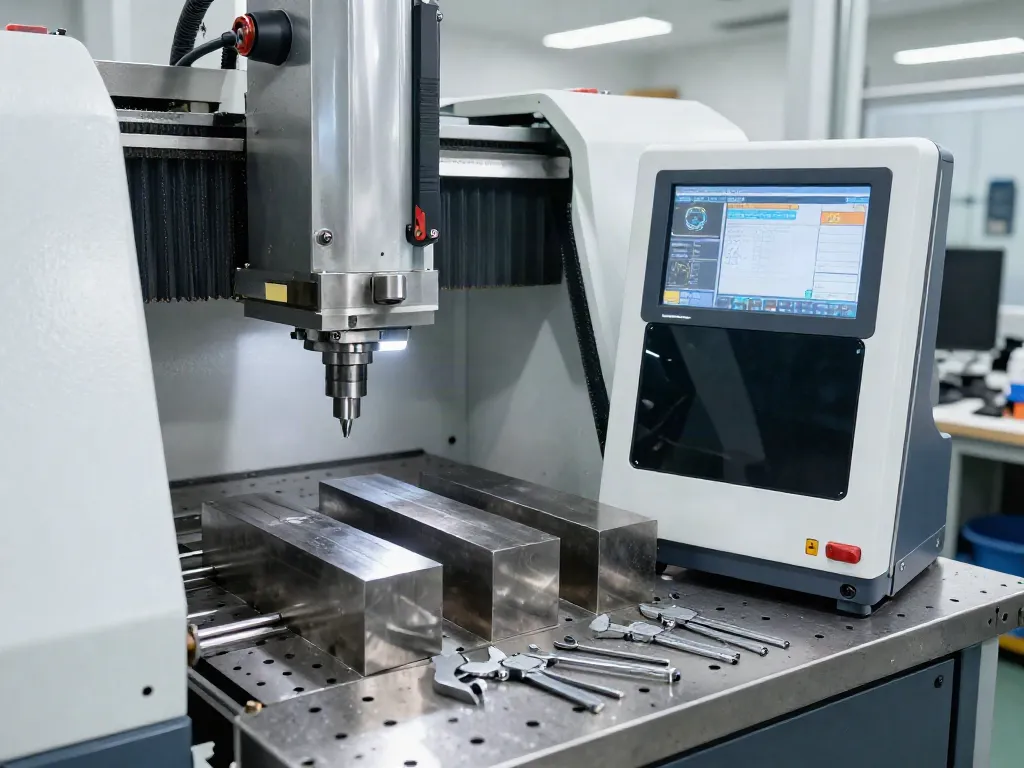
Recent technological advancements have led to the development of more sophisticated glass cutting machines, which incorporate automation, precision optics, and software integration. For instance, CNC glass cutting machines have become the industry standard, offering unparalleled accuracy compared to traditional cutting methods. Additionally, the integration of AI and machine learning is enhancing predictive maintenance capabilities, thereby minimizing downtime.
- Increased Automation: Machines now feature automatic loading and unloading to streamline production.
- Software Integration: Advanced software solutions allow for real-time monitoring and adjustments during the cutting process.
- Sustainability: There's a growing focus on eco-friendly glass cutting technologies that reduce waste and energy consumption.
Key Players and Competitors in the Industry
The glass cutting machine market features several key players who dominate the landscape, including Eworld Machinery, Fletcher Group, and Glassline. These companies are known for their innovation and commitment to quality, offering a range of products tailored to diverse cutting needs. Understanding the competitive landscape helps businesses identify potential partnerships and the latest technological advancements.
Identifying Your Target Audience
The target audience for glass cutting machines is diverse and spans various industries, including construction, automotive, and art. Identifying these segments enables suppliers to tailor their marketing strategies and product offerings accordingly. For instance, suppliers targeting the automotive sector may prioritize machines that precisely cut safety glass, while those focused on the art industry might emphasize tools for stained glass production.
Essential Features to Consider in Glass Cutting Machines
When selecting a glass cutting machine, it's essential to consider several key features that can significantly impact production efficiency and quality. These features include automation capabilities, safety standards, and integration with existing equipment.
Automated vs. Manual Glass Cutting Machines
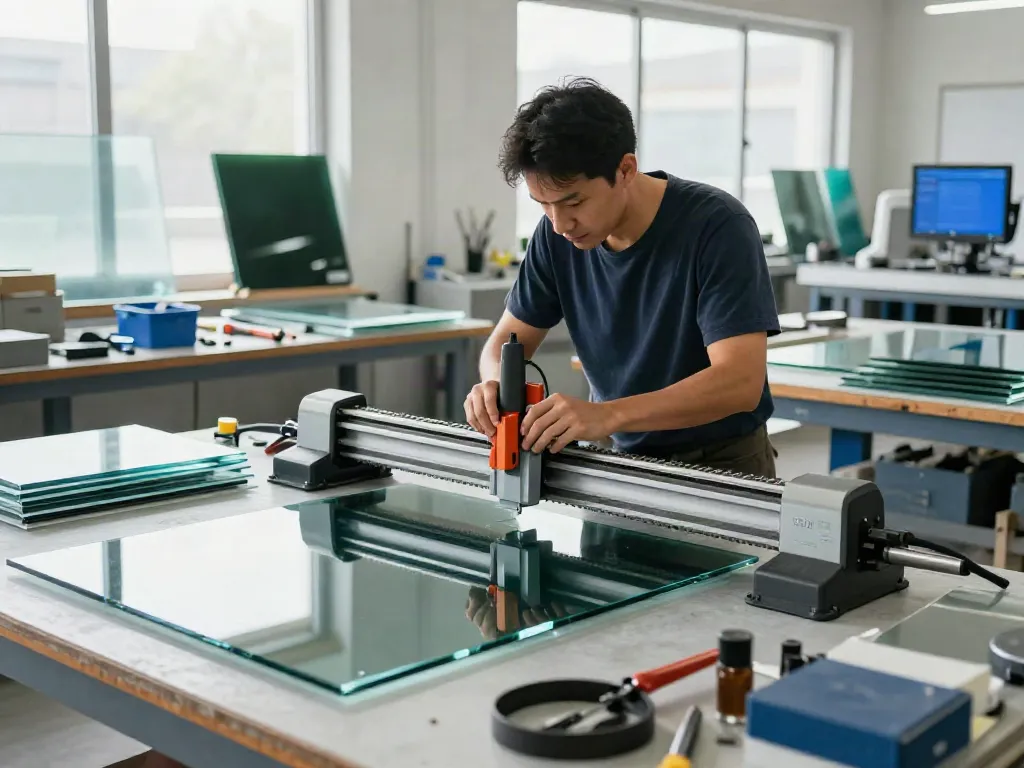
Automated machines are increasingly preferred due to their efficiency and accuracy. They reduce the risk of human error and allow for higher production volumes. In contrast, manual machines may still be favored in smaller workshops or for specialized tasks, where skilled operators can achieve desired results. The choice between automated and manual machines often depends on production scale and budget.
Safety Standards and Compliance Requirements
Compliance with safety standards is non-negotiable in the glass cutting industry. Machines must adhere to regulations established by organizations such as OSHA and ANSI, ensuring that operators are protected from potential hazards. Suppliers should provide equipment that meets or exceeds these standards to ensure safety and minimize liability risks.
Integration with Other Glass Processing Equipment
Compatibility with other machinery is vital for seamless operations. A glass cutting machine that integrates well with other processing equipment, such as laminating machines or polishing tools, allows manufacturers to streamline their workflows and enhance productivity. Suppliers should emphasize the interoperability of their machines to appeal to potential clients.
Building Your Supply Chain as a Glass Cutting Machine Supplier
A well-structured supply chain is critical for any glass cutting machine supplier looking to establish a commanding presence in the market. This involves finding reliable manufacturers, strategizing logistics, and maintaining quality throughout the supply process.
Finding Reliable Manufacturers and Suppliers
Identifying reliable manufacturers is the first step in building a strong supply chain. Engaging with established companies with a track record of quality and reliability can significantly reduce risks. Consider visiting factories and trade shows to vet potential suppliers more thoroughly.
Strategies for Cost-Effective Logistics
Implementing cost-effective logistics solutions can greatly enhance profitability. Considerations include optimizing transportation routes, consolidating shipments, and leveraging technology such as GPS tracking to monitor shipments. Collaboration with third-party logistics providers can also offer flexibility and scale in operations.
Maintaining Quality Control in Supply
Quality control is paramount in the glass cutting machine supply chain. Regular audits and checks at various points in the manufacturing and delivery process help ensure that products meet the required specifications. Establish quality benchmarks to assess suppliers and continuously improve supply chain practices.
Marketing Strategies for Glass Cutting Machine Suppliers
Effective marketing strategies are essential for any supplier looking to increase their market share. Embracing digital marketing techniques, content marketing, and strategic partnerships can significantly boost visibility and brand recognition.
Digital Marketing Techniques to Boost Visibility
Utilizing SEO, social media, and pay-per-click advertising can enhance online visibility. Creating a user-friendly website with valuable resources can attract potential customers searching for glass cutting machines. Additionally, regular updates and blog posts can improve search rankings and keep the audience engaged.
Using Content Marketing to Educate Your Audience
Content marketing is a powerful tool for educating the audience about the benefits and workings of glass cutting machines. This can include detailed guides, video tutorials, and case studies that highlight the advantages of specific machines offered by suppliers. Properly executed, this strategy builds trust and positions the supplier as an authority in the industry.
Networking and Partnerships in the Glass Industry
Building networks and partnerships is vital for growth in the glass industry. Attend trade shows, industry conferences, and networking events to develop relationships with other professionals and potential clients. These connections can lead to collaborative opportunities and shared insights that can propel business growth.
Future Trends: The Evolving Landscape of Glass Cutting Machines
The landscape of glass cutting machines is likely to continue evolving, influenced by emerging technologies and changing market demands. Staying ahead of these trends is crucial for suppliers aiming to maintain competitiveness.
Emerging Technologies in Glass Cutting
Technologies such as robotics and advanced IoT solutions are set to transform the glass cutting industry. These technologies can provide real-time data analytics, predictive maintenance features, and enhanced automation capabilities, which can greatly improve efficiency and reduce operational costs.
Anticipating Changes in Consumer Demands
As consumers become more environmentally conscious, the demand for sustainable glass cutting solutions will increase. Suppliers should be prepared to adapt their offerings to include energy-efficient machines and recyclable materials, aligning with consumer values to gain market traction.
Preparing for Sustainability Challenges in Glass Production
Sustainability challenges will continue to shape the glass industry. Suppliers must anticipate these shifts by investing in environmentally friendly technologies and practices. This includes adopting processes that reduce waste and energy consumption throughout the production cycle.
What are the key benefits of using a glass cutting machine?
Glass cutting machines offer several benefits, including increased precision, reduced waste, and enhanced efficiency. These machines enable manufacturers to produce high-quality cuts consistently, which is essential for meeting customer specifications and reducing scrap material.
How does automation affect glass cutting efficiency?
Automation significantly boosts efficiency in glass cutting by minimizing human error, speeding up production times, and allowing for continuous operation. Automated machines can handle repetitive tasks with precision, leading to higher output and lower operational costs.
What safety measures should be considered with glass cutting machines?
Key safety measures include implementing proper training for operators, equipping machines with safety devices such as guards and emergency stops, and adhering to safety regulations. Regular maintenance checks should be performed to ensure all safety features function correctly, reducing the risk of accidents.
What are the best practices for maintaining glass cutting machines?
Regular maintenance is vital for ensuring the longevity and performance of glass cutting machines. Best practices include routine inspections, lubrication of moving parts, and prompt repairs of any worn or damaged components. Additionally, maintaining a clean workspace will help prevent issues caused by dust and debris.
How to choose the right supplier for glass cutting machines?
Choosing the right supplier involves assessing their reputation, quality of products, after-sales support, and compatibility with your specific needs. Consider customer reviews, industry certifications, and warranties offered to ensure you select a vendor that aligns with your business goals.