The Fundamentals of CNC Machining Parts
CNC machining parts are integral to a wide array of industries, providing precision components that are essential for functionality and performance. Computer Numerical Control (CNC) machining is a process used to automate the control of machine tools through computers, leading to increased efficiency and accuracy in manufacturing. As we delve deeper into the world of CNC machining, we will explore key components, processes, and the value they bring to various applications. When exploring options, cnc machining parts can greatly enhance your production capabilities.
Understanding CNC Machining: An Overview
CNC machining involves the use of computer systems to control machinery. This technology allows for the creation of complex shapes and components with a high degree of accuracy. CNC machines can work with various materials, including metals, plastics, and composites, making them versatile tools in manufacturing.
The process begins with a design being created, typically in CAD (Computer-Aided Design) software. This design is then translated into a language that CNC machines can understand (usually G-code), directing the machine on how to move and operate.
Key Components of CNC Machining Parts
Understanding the components of CNC machining is crucial for anyone involved in the manufacturing process. Key components include:
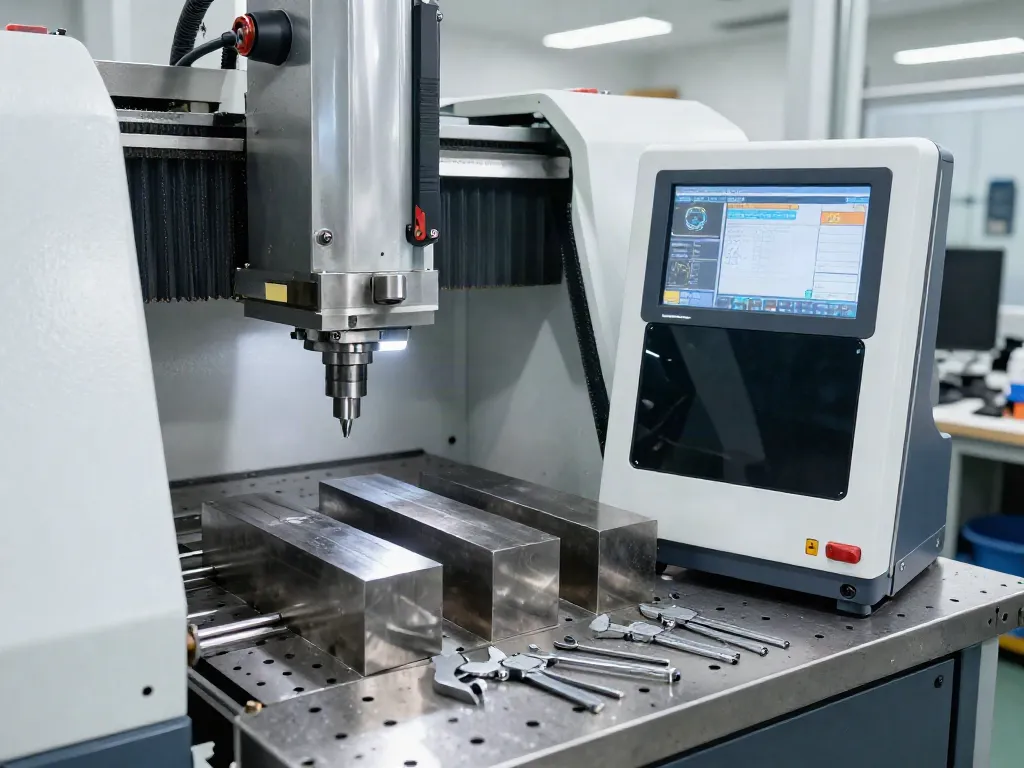
- CNC Controller: This is the brain of the CNC machine, interpreting the G-code and controlling the tools.
- Machine Tool: The actual apparatus that performs the machining operations, like milling machines, lathes, or laser cutters.
- Workpiece: The material being machined, which can be metal, plastic, wood, or composite materials.
- Cutting Tool: Specialized tools that remove material from the workpiece to create the desired shape.
Types of CNC Machining Processes
There are several types of CNC machining processes, each suited for different applications:
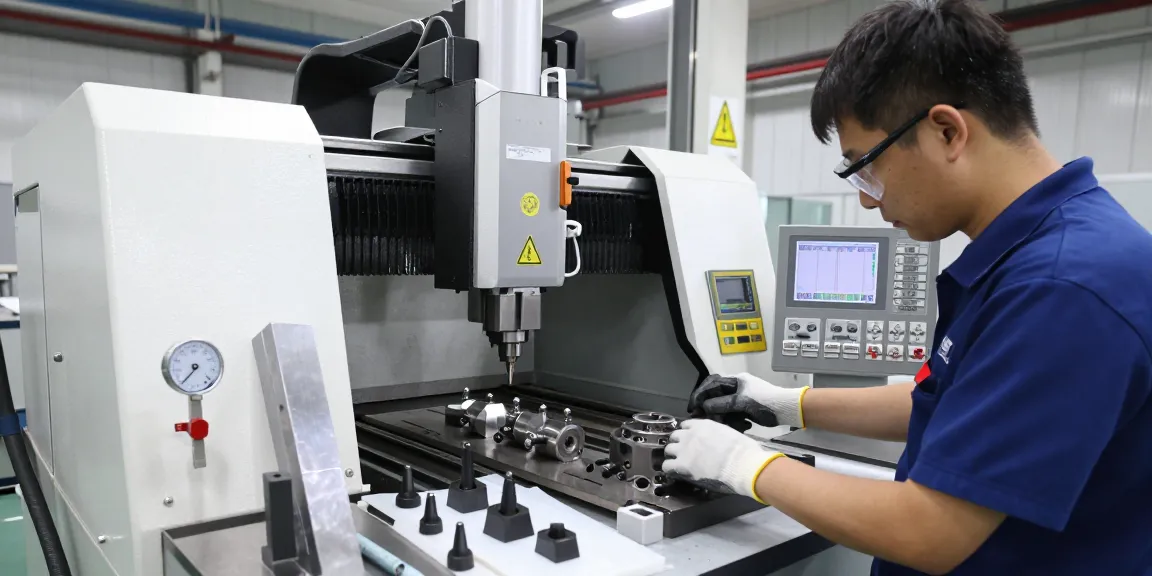
- CNC Milling: This involves the use of rotating cutting tools to remove material from the workpiece. It’s suitable for creating flat surfaces, slots, and intricate shapes.
- CNC Turning: In this process, the workpiece is rotated while a stationary cutting tool removes material. It’s typically used for producing cylindrical parts.
- CNC Laser Cutting: This method uses a laser to cut through materials with high precision. It’s ideal for intricate designs and thin materials.
- CNC EDM (Electrical Discharge Machining): A process that uses electrically charged tools to shape conductive materials, especially useful for hard metals.
Choosing the Right Materials for CNC Machined Parts
The choice of materials in CNC machining is critical as it influences the performance and durability of the parts produced. A diverse range of materials is available, each with unique properties that affect machining performance and end-use characteristics.
Common Materials Used in CNC Machining
Some of the most common materials used in CNC machining include:
- Aluminum: Lightweight and corrosion-resistant, making it ideal for aerospace and automotive applications.
- Stainless Steel: Known for its strength and resistance to rust, suitable for medical devices and food processing equipment.
- Plastics: Versatile and cost-effective, used extensively in consumer products and prototyping.
- Brass: Excellent for precision parts and electrical applications due to its excellent machinability.
Material Properties and Their Impact on Machined Parts
When selecting materials, consider factors such as hardness, machinability, and thermal resistance. The appropriate material choice ensures that the final product meets the intended performance criteria while also minimizing manufacturing challenges.
Best Practices for Material Selection
To ensure optimal results, adhere to these best practices for material selection:
- Understand the application requirements, including load, environment, and regulatory standards.
- Consult with material suppliers to gauge compatibility with the machining process and availability.
- Run test prototypes to evaluate how well the selected material performs in real-world applications.
Precision and Accuracy in CNC Machining
In CNC machining, precision and accuracy are paramount. Achieving tight tolerances can significantly impact the performance of machined components. Manufacturers utilize various techniques to maintain high standards in production.
Techniques to Improve Precision in Machined Parts
Some effective techniques include:
- Tool Path Optimization: Adjusting the machine's tool path minimizes waste and maximizes accuracy.
- Calibration: Regular calibration of CNC machines ensures they operate within specified tolerances.
- Advanced Cutting Tools: Utilizing high-quality cutting tools can enhance the precision of the machining process.
Common Tolerances for CNC Machining Parts
CNC machining can achieve a variety of tolerances based on the complexity and requirements of the part. Common tolerances range from ±0.005 inches for standard components to ±0.0001 inches for high-precision applications like aerospace components.
Measuring and Inspecting CNC Machined Components
Accurate measurement and inspection are critical to ensuring that machined parts meet specifications. Techniques include:
- CMM (Coordinate Measuring Machine): This device measures the physical geometrical characteristics of an object with high precision.
- Visual Inspection: Conducting visual checks can quickly identify defects in machined parts.
- Functional Testing: Testing to confirm that parts function as intended under real-world conditions.
Cost-Effective Manufacturing Strategies
Reducing manufacturing costs while maintaining quality is essential for competitiveness in the CNC machining industry. Strategic planning and technology can substantially lower production expenses.
Optimizing Production Costs in CNC Machining
To optimize costs, manufacturers can:
- Implement lean manufacturing principles to eliminate waste and streamline processes.
- Invest in multi-function machines that can perform multiple operations, reducing the need for additional equipment.
- Utilize software for production planning to enhance efficiency.
Common Pitfalls and How to Avoid Them
Common pitfalls in CNC machining include:
- Ignoring machine maintenance, leading to breakdowns.
- Underestimating the importance of employee training in CNC operation and programming.
- Failing to account for tooling costs in overall machining budgets.
Regular audits and investing in training can help avoid these issues.
Leveraging Technology for Cost Savings
Technology plays a crucial role in reducing costs. For example:
- Automation: Automating certain operations can reduce labor costs and improve consistency.
- Cloud Computing: Utilizing cloud-based systems for design and production management can enhance collaboration and reduce overhead.
Future Trends in CNC Machining for 2026
As we move towards 2026, the CNC machining landscape is evolving. Staying aware of these trends will help businesses remain competitive and innovative in their manufacturing processes.
Emerging Technologies in CNC Machining
Emerging technologies include:
- AI and Machine Learning: These technologies are being integrated to optimize machining operations, predict maintenance needs, and enhance accuracy.
- IoT Integration: The Internet of Things (IoT) provides real-time data about machinery performance, allowing for proactive management.
Sustainability Practices in CNC Manufacturing
Sustainability is becoming a critical focus within the CNC machining industry. Practices such as recycling scrap material and using environmentally friendly cutting fluids are gaining importance.
Impact of Industry 4.0 on CNC Machining Parts
Industry 4.0 encompasses the integration of automation, data exchange, and smart manufacturing. This trend is transforming CNC machining by enabling more customized production and better supply chain management.
What Are the Key Trends Shaping CNC Machining?
The key trends shaping CNC machining include the increased adoption of additive manufacturing techniques, advanced materials, and a focus on enhanced customer collaboration. These developments will continue to redefine how CNC machining services are delivered and how parts are produced across various industries.