Understanding Engineered Composites
In the realm of modern manufacturing, the emergence of engineered composites marks a significant advancement in material technology. Engineered composites, particularly Glass Reinforced Plastic (GRP), offer a robust solution for a variety of industries needing durable, lightweight, and corrosion-resistant materials. With over 40 years of expertise, Engineered Composites stands at the forefront of this innovation in the UK, supplying products that meet diverse industrial needs.
What Are Engineered Composites?
Engineered composites are a class of materials made from two or more constituent materials, exhibiting unique properties that arise from their combination. In the context of GRP, it involves combining a polymer matrix with glass fibers to enhance strength and durability while keeping weight low. This technology enables the production of materials that can be tailored for specific applications, catering to industries ranging from construction to telecommunications.
Key Characteristics and Benefits of Engineered Composites
One of the defining characteristics of engineered composites like GRP is their incredible strength-to-weight ratio. GRP is often up to 70% lighter than steel, yet possesses comparable tensile strength, making it a preferred choice in applications requiring robust yet lightweight materials. Additionally, GRP is resistant to corrosion and UV degradation, ensuring longevity even in harsh environments.
- Corrosion Resistance: GRP does not rust or corrode, making it ideal for marine or chemical environments.
- Low Maintenance: GRP requires minimal upkeep, which can significantly reduce operational costs over time.
- Customizability: The manufacturing process allows for a variety of shapes, sizes, and colors, accommodating specific project needs.
Common Applications in Various Industries
The versatility of engineered composites is evident in their wide range of applications. Industries such as construction, automotive, and rail utilize GRP for products like gratings, profiles, and handrails. In the marine sector, GRP's resistance to saltwater and chemicals makes it an ideal choice for boat parts and dock systems. Moreover, its non-conductive properties make it suitable for electrical applications, contributing to safe installations in sensitive environments.
Manufacturing Processes of Engineered Composites
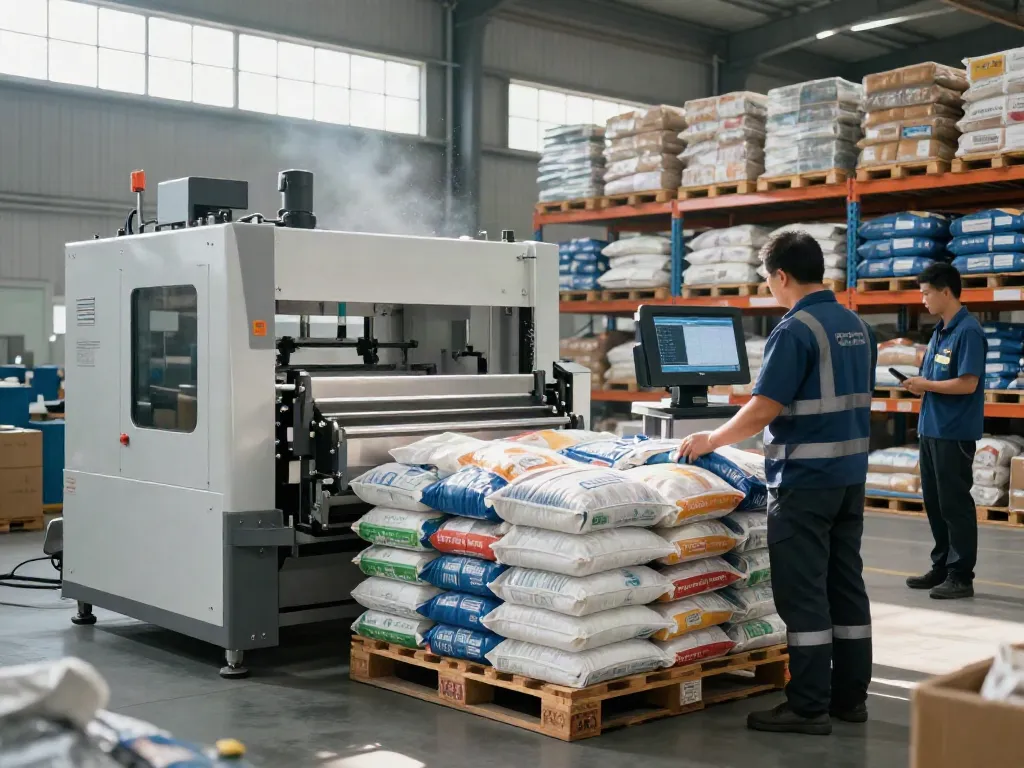
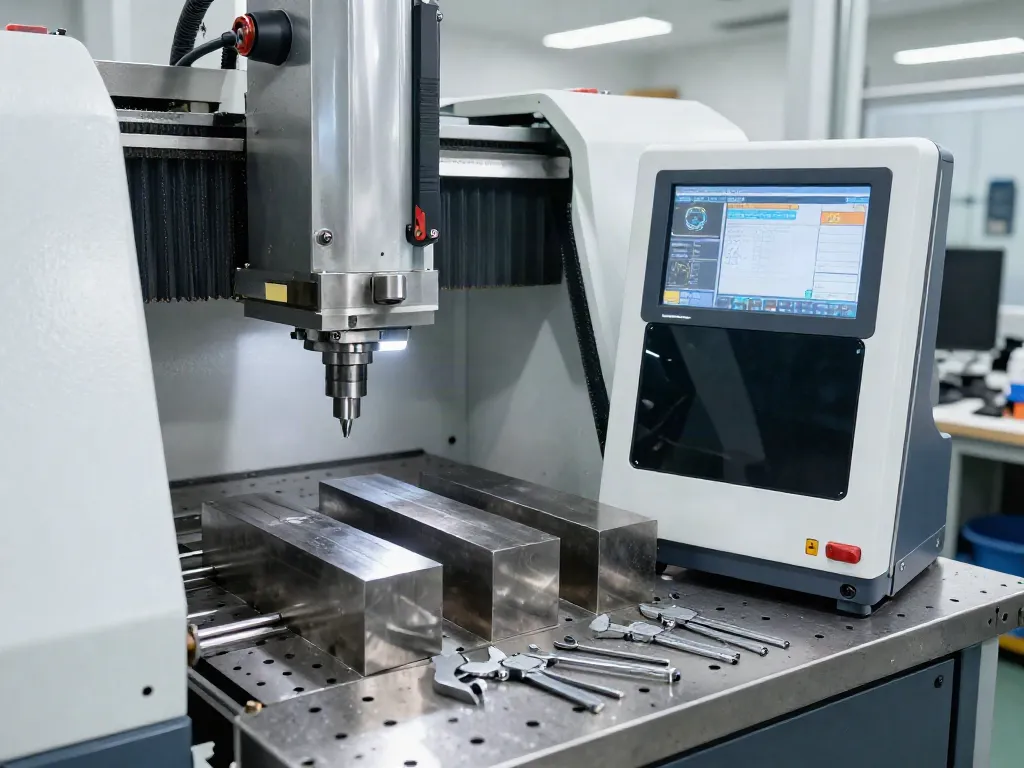
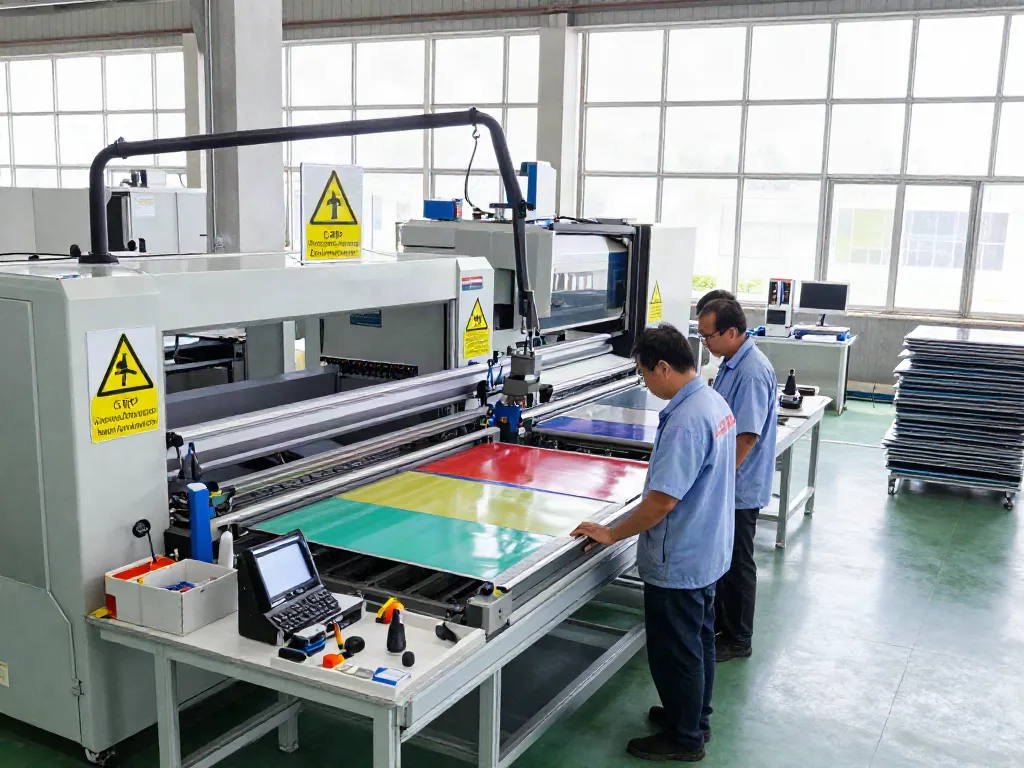
The production of engineered composites involves various manufacturing techniques, focusing on efficiency and quality control. Modern practices include pultrusion and extrusion, which allow for the continuous production of GRP products with excellent structural integrity.
Overview of GRP Manufacturing Techniques
GRP manufacturing typically employs processes such as pultrusion, which involves drawing reinforced plastic through a heated die. This allows for consistent cross-sections and high-volume production. Additionally, hand lay-up techniques are employed for bespoke applications requiring intricate designs or shapes, ensuring flexibility in meeting customer specifications.
Quality Control Measures in Production
Quality assurance is paramount in the manufacturing of GRP products. Engineered Composites employs an ISO 9001-certified quality management system to maintain the highest standards. Every product undergoes rigorous testing to meet BS EN 13706 performance standards, ensuring reliability and compliance with safety regulations.
Innovative Technologies in Composite Manufacturing
Advancements in technology have revolutionized the manufacturing of engineered composites. Innovations such as automated fabric placement and advanced resin infusion techniques have improved the precision and efficiency of production. These technologies not only enhance product performance but also reduce environmental impact during the manufacturing process.
Advantages of Using Engineered Composites
The use of GRP provides numerous advantages over traditional materials like steel and aluminum. From performance benefits to cost savings, GRP proves to be a superior alternative in many industrial applications.
Performance Benefits Compared to Traditional Materials
One of the most noteworthy advantages of GRP is its lightweight nature, translating to easier handling and faster installation. Compared to steel, GRP does not require anti-corrosion treatments or painting, leading to lower lifecycle costs. Furthermore, the thermal insulation properties of GRP make it preferable in environments where temperature fluctuations are a concern.
Cost-Effectiveness and Longevity
While the initial investment in GRP products may be comparable to traditional materials, the long-term savings are substantial. With a life expectancy exceeding 50 years and minimal maintenance requirements, GRP systems often present a better return on investment. Additionally, the lightweight characteristic allows for reduced transportation and installation costs, further enhancing its cost-effectiveness.
Environmental Impact and Sustainability
Engineered composites contribute to sustainability efforts, as their production typically requires less energy compared to metals. Many GRP products are designed to be recyclable, promoting a circular economy. Moreover, their durability reduces the frequency of replacements, diminishing their overall environmental footprint.
Applications and Suitability of Engineered Composites
Engineered composites are suitable for a wide array of applications, particularly where traditional materials fall short. Their resilience and adaptability make them ideal for both structural and non-structural uses across various industries.
Industry-Specific Uses of GRP Products
In the construction sector, GRP is often employed for walkways, safety railings, and flooring systems. In the marine industry, it is used in the fabrication of docks, hulls, and other components that require high resistance to environmental factors. The telecommunications industry utilizes GRP for lightweight, durable enclosures that protect sensitive equipment.
Structural Integrity and Compliance with Safety Standards
When used in structural applications, GRP products must comply with industry standards to ensure safety and performance. Engineered Composites’ offerings meet BS EN 13706 E23 grade specifications, enabling their use in load-bearing applications without compromising safety.
Adaptability for Outdoor and Harsh Environments
The performance of GRP products in outdoor environments is exceptional. Its ability to withstand UV radiation, moisture, and extreme temperatures makes it a prime candidate for outdoor installations. Whether used in coastal areas prone to saltwater exposure or in industries where chemical resistance is required, GRP maintains its integrity and appearance over time.
Getting Started with Engineered Composites
For businesses looking to incorporate GRP into their projects, understanding how to navigate the ordering process is essential. Engineered Composites provides a comprehensive pathway from enquiry to delivery, ensuring a smooth experience for clients.
How to Request a Quotation
To receive a quotation for GRP products, clients can contact Engineered Composites directly via phone or through their online enquiry form. Responses are typically provided within an hour, allowing for efficient project planning. The technical sales team is equipped to handle custom requirements, offering tailored solutions to meet specific needs.
Working with Engineered Composites: What to Expect
Clients can expect a high level of service and expertise when partnering with Engineered Composites. The company ensures that all orders come with comprehensive documentation, including datasheets and compliance information, facilitating seamless installation and adherence to safety standards.
Frequently Asked Questions About GRP Products
Addressing common queries about GRP products can help demystify their application and benefits. Topics often include maintenance requirements, recyclability, and fire safety ratings. Engineered Composites is committed to providing clear and thorough answers to assist clients in making informed decisions regarding their material choices.