Understanding Containerized Water Treatment Systems
Containerized water treatment systems have revolutionized the way we approach water purification and distribution in both urban and remote settings. These systems leverage modular flexibility, allowing for customized water treatment processes tailored to a variety of scenarios—from municipal requirements to industrial applications and even emergency setups. They offer seamless relocation and reuse, making them an ideal choice for projects that may require renovation, expansion, or rapid response to changing conditions. For instance, Containerized water treatment systems provide stand-alone drinking water production capabilities, ensuring access to safe and healthy water worldwide, regardless of the quality of incoming sources.
What are Containerized Water Treatment Systems?
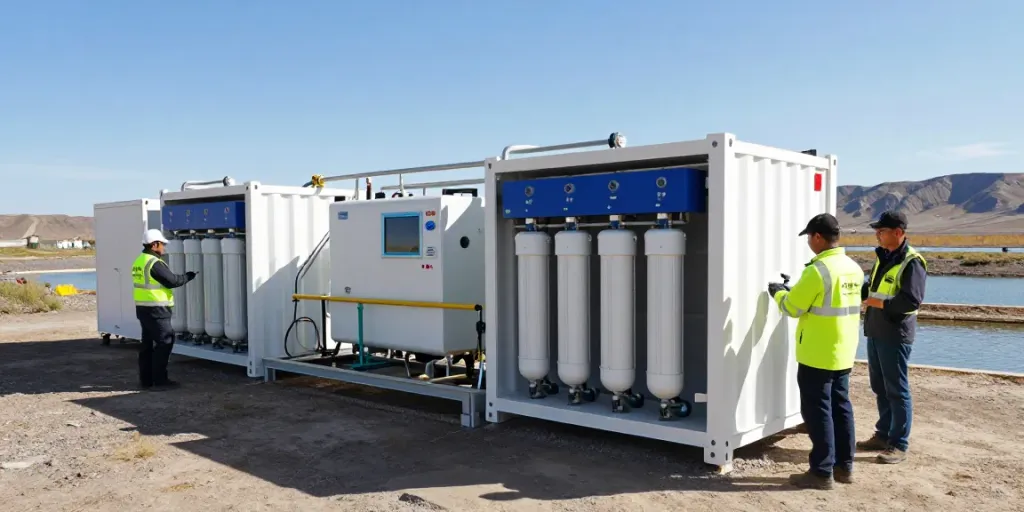
Containerized water treatment systems are portable setups that integrate various water treatment technologies within standardized shipping containers. These systems can handle different stages of water purification—such as filtration, disinfection, and chemical treatment—allowing for a comprehensive solution to water quality management. By utilizing advanced technologies like reverse osmosis (RO) and EDI (Electrodeionization), these systems ensure high-purity water production suitable for a wide range of applications, from drinking water to industrial process water.
Key Components and Technologies
Containerized water treatment systems are equipped with essential components such as:
- Filtration Units: These remove particulate matter and sediments from the water.
- Disinfection Systems: Often utilizing UV light or chemical agents, these systems eliminate pathogens to ensure water safety.
- RO Membranes: High-efficiency membranes are employed to extract contaminants and provide ultra-pure water.
- Control Systems: Advanced monitoring and automation technologies facilitate real-time oversight and adjustments.
Each of these components plays a vital role in ensuring the system can meet specific water quality standards required by different industries, including pharmaceuticals, laboratories, and municipal applications.
Applications of Containerized Water Treatment Systems
Municipal and Community Use Cases
Containerized water treatment systems are particularly effective in municipal applications where the demand for clean drinking water is critical. They can be deployed quickly in response to natural disasters, making them invaluable for emergency management. Additionally, these systems are ideal for rural communities or developing regions where conventional water treatment infrastructure may be lacking or too costly to implement.
Industrial Applications and Benefits
In industrial sectors, the demand for specific water quality is paramount. Containerized systems can be customized to produce boiler feed water, cooling tower water, or ultra-pure water for manufacturing processes. The ability to easily relocate these systems means organizations can adapt their water treatment capabilities to changing production needs or temporary projects without the extensive investment required for traditional systems.
Deployment in Remote Locations
For projects located in remote areas, containerized water treatment systems provide a robust solution. They can be transported to challenging locations where access to clean water is limited or where existing infrastructure is inadequate. Their modular design means they can be set up in a matter of days, allowing for rapid deployment and immediate impact.
Comparative Analysis: Containerized vs. Traditional Water Treatment
Speed of Deployment and Installation
One of the most significant advantages of containerized water treatment systems is their rapid deployment. While traditional water treatment facilities may require extensive planning, civil engineering, and construction—spanning 3 to 6 months—containerized systems can be operational in as little as 3 to 7 days. This reduced timeframe is crucial in emergencies or when immediate solutions are needed.
Space and Site Requirements
Traditional systems necessitate large areas for construction and often require complex site preparation. In contrast, containerized systems require minimal space—only a flat surface for placement—and save up to 50% of the floor space that would otherwise be devoted to a conventional installation. This flexibility makes them particularly suitable for urban environments where space is at a premium.
Long-term Cost Efficiency
Investing in containerized water treatment systems often proves more cost-effective than traditional approaches. Not only do they shorten the overall project cycle, but their prefabricated nature allows for standardized inspections, reducing on-site labor costs and errors associated with manual construction. The long-term operational efficiency also contributes to reduced maintenance costs, making them a financially sound option over time.
Best Practices for Implementing Containerized Systems
Site Selection and Preparation
Choosing the right site for installing a containerized water treatment system is crucial. Factors such as accessibility, local infrastructure, and compliance with environmental regulations must be considered. Preparing the site correctly ensures that the installation process runs smoothly, optimizing the system’s performance once operational.
Maintenance and Monitoring Techniques
Regular maintenance is essential to uphold the efficiency and longevity of water treatment systems. Containerized setups often come equipped with intelligent control systems that support remote monitoring and real-time adjustments, minimizing downtime. Setting up a routine maintenance schedule to clean filters, check disinfection levels, and calibrate monitoring systems is advisable for optimal performance.
Training Personnel for Optimized Operations
To maximize the potential of containerized systems, personnel training is critical. Operators should receive training on the technology used, the importance of regular monitoring, and emergency response procedures. This investment in human resources not only boosts operational efficiency but also enhances safety protocols in handling water treatment processes.
Future Trends in Water Treatment Technology (2026 and Beyond)
Innovations in Modular Water Treatment Solutions
The landscape of water treatment is continuously evolving, with advancements in modular technology leading to more efficient and sustainable solutions. In the coming years, we can expect innovations that incorporate smart sensors and AI for predictive maintenance, enhancing the adaptability of containerized systems in diverse environments.
Impact of Environmental Regulations
As governments and organizations become increasingly focused on sustainability, containerized water treatment systems are likely to evolve in response to stricter environmental regulations. This shift will encourage manufacturers to develop systems with higher recycling rates and lower emissions, thereby aligning with global sustainability goals.
Mainstreaming Reusability and Sustainability Practices
Reusability will become a defining feature of water treatment solutions. Containerized systems can integrate reclaimed water reuse modules, further enhancing their utility. The goal will be to achieve resource recycling rates of up to 80%, significantly reducing waste and promoting a circular economy in water management.
What are the advantages of containerized water treatment systems?
Containerized systems provide numerous advantages, including rapid deployment, modular flexibility, and cost savings compared to traditional systems. They are particularly beneficial in emergency situations or for temporary projects.
How quickly can containerized systems be deployed?
These systems can often be operational within 3 to 7 days of deployment, significantly faster than conventional treatment facilities, which can take several months to build.
What types of water sources are suitable for these systems?
Containerized water treatment systems can process various water sources, including surface water, groundwater, and even sea water, depending on the technologies employed within the system.
What are the maintenance requirements for containerized systems?
Maintenance practices include regular inspections of filtration units, monitoring disinfection levels, and ensuring that control systems are functioning correctly. Routine checks are essential for sustaining performance.
How do containerized systems compare in cost to traditional methods?
In most cases, containerized systems are more cost-effective in the long run, with lower initial investment, reduced construction time, and fewer maintenance costs contributing to overall savings.