Understanding Custom 3D Configurators: The Future of Product Design
The dawn of digital customization has revolutionized the way businesses approach product design and customer interaction. Custom 3D configurators serve as pivotal tools, allowing consumers to personalize complex products while seamlessly integrating their preferences into the design process. In sectors ranging from manufacturing to retail, these configurators facilitate a more dynamic and engaging shopping experience. When exploring options, custom 3D configurator solutions not only empower customers but also streamline engineering workflows, significantly enhancing operational efficiency.
What is a Custom 3D Configurator?
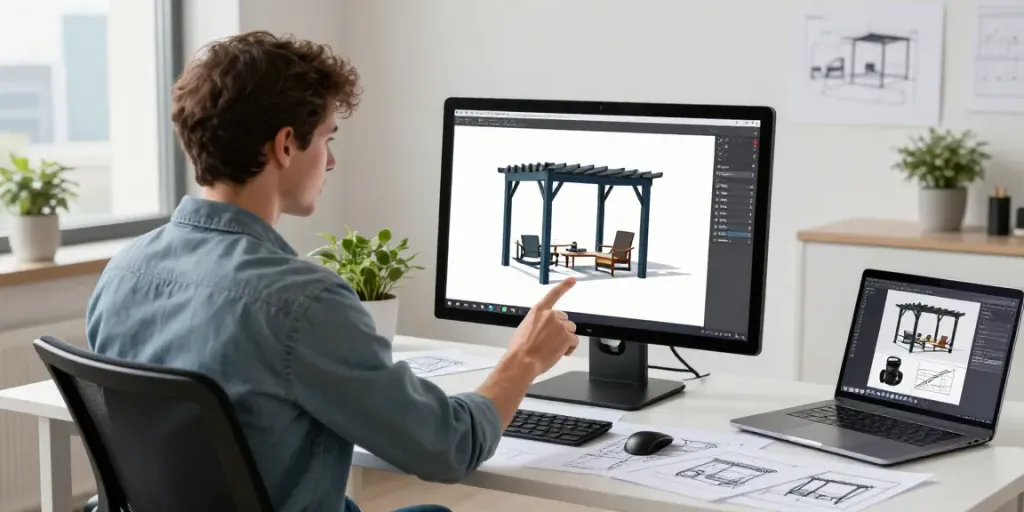
A custom 3D configurator is an interactive digital tool that enables users to create a unique product design based on predefined parameters and options. This software allows customers to visualize their choices in real-time, ensuring that they can see how different selections affect the final product. By integrating 3D modeling with an intuitive user interface, businesses can provide a rich, immersive experience that combines product customizations with immediate visual feedback. This is particularly beneficial for industries where products come in varying forms, sizes, and configurations, such as home furnishings, automotive, and industrial equipment.
How They Transform Complex Products
Complex products often involve intricate specifications, requiring a detailed understanding of customer needs and preferences. Custom 3D configurators facilitate this transformation by bridging the gap between the customer and intricate product details. For instance, in the manufacturing sector, a configurator can allow users to select materials, dimensions, and features while automatically updating the corresponding price and technical specifications. This capability not only enhances the customer experience but also reduces the workload on sales and design teams, enabling them to focus on delivering tailored solutions.
Key Features to Look For
- Real-time 3D Visualization: Customers should be able to see changes immediately as they modify their selections.
- User-friendly Interface: A simple, intuitive design that guides users through the configuration process is essential.
- Integration Capabilities: The configurator should connect seamlessly with existing systems such as CRM, ERP, and e-commerce platforms.
- Data Management: Effective handling of customer data, product configurations, and pricing models is critical.
- Responsive Design: The configurator should function optimally across various devices, including desktops, tablets, and smartphones.
Benefits of Implementing a Custom 3D Configurator in Your Business
Implementing a custom 3D configurator can yield numerous benefits, enhancing both customer satisfaction and operational efficiency. These tools not only simplify the design process but also enable businesses to make data-driven decisions that positively impact their bottom line.
Enhancing Customer Experience and Engagement
One of the most significant advantages of a custom 3D configurator is its ability to enrich the customer experience. By allowing consumers to visualize and manipulate their product designs, businesses can foster deeper engagement and encourage more informed purchasing decisions. This interactive experience creates emotional ties to the product, which can lead to higher customer satisfaction rates and increased loyalty.
Streamlining Design and Production Processes
Custom 3D configurators streamline the design and production processes by automating various aspects of product specification. For example, as customers select their desired features, the software can automatically generate the necessary engineering documents, such as bills of materials (BOM) and production schedules. This not only reduces manual errors but also speeds up the time from order to delivery, enhancing throughput.
Boosting Sales Efficiency with Real-Time Data
With real-time data integration, businesses can enhance their sales efficiency significantly. Sales teams can access up-to-date pricing models, stock availability, and product specifications instantly, equipping them with the information needed to close deals more effectively. Moreover, the configurator can help identify potential up-sell opportunities by highlighting additional features or complementary products tailored to customer preferences.
Best Practices for Developing a Custom 3D Configurator
To fully harness the advantages of a custom 3D configurator, businesses should adhere to certain best practices during the development process. These guidelines ensure that the configurator not only meets user expectations but also aligns with the company’s strategic goals.
Defining Product Rules and Parameters
Establishing clear product rules and parameters is crucial to the configurator’s success. Businesses should define the minimum and maximum specifications, dependencies, and any exclusions to guide users effectively toward permissible options. This structured approach not only simplifies the user experience but also mitigates potential design complications during the manufacturing process.
Establishing User-Friendly Interfaces
A user-centric interface is fundamental for the success of any configurator. Developers should focus on creating intuitive navigation and clear visual cues that guide users throughout the customization process. Employing visual aids such as progress bars and tooltips can enhance usability, making it easier for customers to understand their choices and how they impact the final product.
Integrating with Existing Systems Effectively
Seamless integration with existing business systems, such as CRM, ERP, and e-commerce platforms, is essential for maximizing the configurator’s effectiveness. This integration allows for real-time data updates and ensures that customer inquiries, orders, and product configurations flow smoothly between systems. As a result, businesses can maintain accurate records and improve overall efficiency.
Case Studies: Success Stories from Industries Using 3D Configurators
Several industries have successfully adopted custom 3D configurators, leading to noteworthy enhancements in their operations and customer satisfaction. Below are some compelling case studies that illustrate the transformative power of these tools.
Manufacturing Sector Innovations
In the manufacturing sector, a leading furniture company implemented a custom 3D configurator that allowed customers to design their own pieces, selecting fabrics, finishes, and dimensions. The configurator not only streamlined the design process but also provided the company with valuable customer insights, enabling them to refine their product offerings based on real-time data.
Retail Transformation Through Customization
A prominent athletic footwear retailer utilized a custom 3D configurator to allow customers to personalize their shoes, choosing everything from color to material. This initiative resulted in significant increases in conversion rates and customer engagement, as shoppers appreciated the ability to create unique products that matched their individual styles.
Architectural and Design Applications
Integrating custom 3D configurators into the architectural design process has proven beneficial as well. An architectural firm implemented a configurator for clients to customize home layouts, materials, and aesthetics. This approach not only streamlined project assessments but also improved client satisfaction by enabling them to visualize their dream homes effectively.
Future Trends in Custom 3D Configurators: What to Expect in 2026
As technology continues to evolve, so too do the capabilities and applications of custom 3D configurators. Several trends are emerging that promise to shape the future of product design and customer interactions.
Emerging Technologies Shaping the Industry
The integration of advanced technologies such as augmented reality (AR) and artificial intelligence (AI) is set to revolutionize custom 3D configurators. AR can enhance customer experiences by allowing users to visualize products in their real-world environments, while AI can analyze customer behavior and preferences to provide tailored recommendations. These innovations will further bridge the gap between design and customer engagement.
Predictions for Market Growth and Demand
Market analysts predict that the demand for custom 3D configurators will continue to grow as businesses increasingly recognize their value in enhancing customer experiences and streamlining operations. Industries such as automotive, construction, and fashion are expected to invest heavily in these tools to remain competitive and meet the evolving expectations of modern consumers.
Preparing Your Business for Digital Transformation
To stay ahead in this rapidly evolving landscape, businesses need to embrace digital transformation actively. This entails investing in the development of robust custom 3D configurators, integrating them with existing systems, and continuously refining them based on user feedback. By doing so, companies can ensure they remain relevant and responsive to market demands.
What is a 3D configurator?
A 3D configurator is an interactive tool that enables users to design and customize products in a three-dimensional space, facilitating an engaging experience that enhances customer decision-making.
How can I create my own 3D model?
Creating a 3D model typically involves using specialized software that allows you to design the product visually, often starting from a 2D blueprint and converting it into 3D geometry through extrusion, lofting, or other modeling techniques.
What is the best product configurator software?
The best product configurator software depends on your specific needs, including factors such as integration capabilities, user-friendliness, and scalability. Custom solutions may provide the most tailored experience for complex products.
Does the software integrate with CRM systems?
Yes, many custom 3D configurators are designed to integrate seamlessly with CRM systems, enabling businesses to manage customer interactions and data effectively throughout the sales process.
What industries benefit from custom 3D configurators?
Industries such as manufacturing, retail, automotive, architecture, and furniture design have benefited greatly from implementing custom 3D configurators, enhancing customer engagement and streamlining production processes.