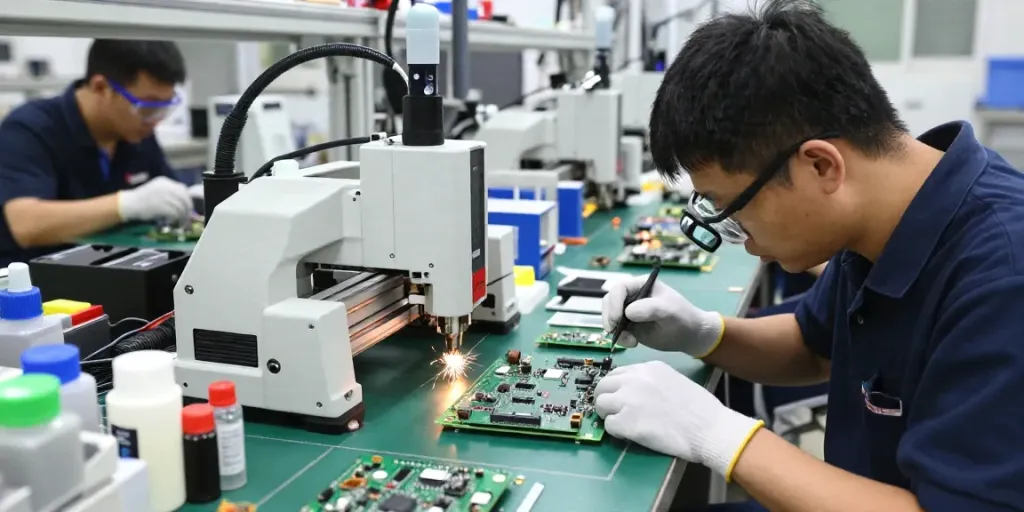
Understanding RO3003 PCB Fabrication
RO3003 PCB fabrication represents a crucial area in the development of high-frequency printed circuit boards. As industries continue to evolve, integrating advanced materials like RO3003 into PCB manufacturing processes becomes increasingly essential. This guide aims to equip stakeholders with insights into what RO3003 material is, its key properties, and the best practices for its fabrication. When exploring options, RO3003 PCB fabrication provides comprehensive insights into maximizing performance and ensuring reliability.
What is RO3003 PCB Material?
RO3003 is a high-frequency laminate material developed by Rogers Corporation, designed specifically for use in demanding applications requiring excellent electrical performance. It is a ceramic-filled PTFE (polytetrafluoroethylene) composite that combines the superior electrical properties of ceramics with the flexibility and processability of PTFE. This unique composition allows RO3003 to thrive in environments where signal integrity and thermal stability are critical.
Key Properties and Benefits of RO3003
- Dielectric Constant: With a dielectric constant typically around 3.0, RO3003 offers a balance between electrical performance and manufacturability.
- Low Loss Characteristics: This material has low loss tangent values, which is crucial for maintaining signal integrity at high frequencies.
- Thermal Stability: RO3003 exhibits outstanding thermal stability, making it suitable for applications that involve temperature fluctuations.
- Mechanical Strength: Its robust mechanical properties ensure longevity and resistance to delamination during use.
- Ease of Fabrication: Despite its advanced material properties, RO3003 is relatively easy to process, allowing for intricate designs and high layer counts.
Common Applications in High-Frequency Environments
RO3003 PCBs are widely utilized in various applications where high-frequency performance is paramount. These include:
- Telecommunications: Used in backhaul communications, satellite systems, and wireless transmission systems.
- Aerospace: Essential for radar systems, avionics, and other critical aerospace applications.
- Automotive: Increasingly used in automotive radar systems for advanced driver-assistance systems (ADAS).
- Medical Devices: Found in high-speed medical imaging equipment and diagnostic devices.
Fabrication Techniques for RO3003 PCBs
Essential Steps in RO3003 PCB Manufacturing
The fabrication of RO3003 PCBs involves several key steps that must be meticulously followed to ensure optimal performance. These steps include material preparation, lamination, drilling, and surface finishing. Each stage is critical, as any misstep can compromise the final product's integrity.
Best Practices for Performance Optimization
To achieve the best results in RO3003 PCB fabrication, manufacturers should adhere to best practices, such as:
- Thorough Material Selection: Choosing high-quality RO3003 laminates from reputable suppliers significantly impacts overall performance.
- Precision Drilling Techniques: Utilizing advanced drilling technologies reduces the risk of delamination and ensures clean hole walls.
- Effective Lamination Techniques: Ensuring proper temperature and pressure during lamination can improve layer adhesion and overall robustness.
- Circuit Design Considerations: Designing with impedance matching and minimizing trace lengths enhances signal integrity.
Overcoming Common Fabrication Challenges
While RO3003 offers many benefits, it also presents unique challenges during fabrication. Some common issues include:
- Delamination: This can occur due to improper lamination or thermal cycling.
- Drilling Challenges: Higher drill speeds can lead to heat buildup, resulting in material degradation.
- Copper Foil Selection: The choice of copper foil can impact the performance and reliability of the PCB.
Challenges in RO3003 PCB Fabrication
Identifying Manufacturing Pitfalls
Identifying potential pitfalls in the manufacturing process is crucial for ensuring the quality of RO3003 PCBs. Common pitfalls include not adhering to specific fabrication parameters, leading to issues such as faulty signal integrity and compromised thermal performance.
Managing Material Costs and Sourcing
Material costs can fluctuate, and sourcing high-quality RO3003 laminates may present challenges. Navigating these issues effectively involves building strong relationships with suppliers, anticipating market trends, and employing strategic procurement practices.
Ensuring Quality Control and Compliance
Quality control is paramount in PCB fabrication. Implementing rigorous testing protocols throughout the manufacturing process ensures compliance with industry standards and customer specifications. Regular inspection of raw materials, in-process checks, and final product assessments are essential for sustained quality assurance.
Future Trends in RO3003 PCB Technology
Emerging Innovations in PCB Materials
As technology advances, the demand for PCB materials like RO3003 will continue to grow. Innovations such as hybrid materials that combine the properties of RO3003 with other substrates could lead to enhanced performance and reduced costs.
Anticipated Market Developments for 2026
By 2026, the market for RO3003 PCBs is expected to expand, propelled by increasing demand from the telecommunications and automotive sectors, as well as advancements in radar technology. Companies that adapt to these market trends will be well-positioned for success.
Potential Impact of Industry Regulations
As environmental concerns grow, the PCB industry may face stricter regulations regarding material sourcing and fabrication processes. Staying ahead of these regulations will be vital for manufacturers committed to sustainable practices.
Conclusion and Best Practices for Stakeholders
Guidelines for PCB Designers and Engineers
For PCB designers and engineers, understanding the unique aspects of RO3003 is essential. Designers should leverage the material's low loss and thermal stability while adhering to best practices in circuit design to optimize performance.
Collaborative Approaches with Manufacturers
Collaboration between designers and manufacturers fosters innovation in RO3003 PCB fabrication. Open lines of communication can lead to better problem solving and improved product outcomes.
Future-Proofing Your PCB Designs
Future-proofing PCB designs involves anticipating industry trends and potential technological advancements. Utilizing adaptable designs and forward-thinking materials such as RO3003 can ensure long-term viability and success in the marketplace.
What are the advantages of using RO3003 PCBs?
RO3003 PCBs offer several advantages, including exceptional electrical performance at high frequencies, thermal stability, and mechanical strength, making them ideal for a variety of critical applications.
How does RO3003 compare to other PCB materials?
Compared to traditional materials, RO3003 provides lower loss characteristics and improved thermal performance, which are vital in high-frequency applications.
What industries typically utilize RO3003 PCBs?
Industries such as telecommunications, aerospace, automotive, and medical devices commonly use RO3003 PCBs due to their specific performance requirements.
What are the key parameters for RO3003 PCB testing?
Key testing parameters include dielectric strength, thermal conductivity, loss tangent, and dimensional stability, all of which are critical to ensuring the PCB's performance in its intended application.
How can I select the right vendor for RO3003 PCB fabrication?
Choosing the right vendor involves evaluating their experience with high-frequency materials, quality control processes, and customer support capabilities, ensuring they align with your specific project needs.