Understanding IEC Connectors and Their Importance
IEC connectors play a crucial role in ensuring safe and reliable power transmission in various electrical devices. Established by the International Electrotechnical Commission (IEC), these connectors are designed to meet stringent safety standards, allowing them to safely link power to electrical appliances. From household electronics to industrial machines, understanding the intricacies of these connectors is essential for anyone involved in electrical design or manufacturing. When exploring options, IEC connector manufacturer offerings can provide comprehensive insights into quality and reliability.
What are IEC Connectors?
IEC connectors, adhering to the IEC 60320 standard, are a type of standardized electrical connector used in a wide range of applications, including computers, appliances, and industrial systems. These connectors are designed to provide a safe and efficient means of connecting power cords to electrical devices, ensuring compatibility across diverse power systems. Available in various types, such as C13, C14, and C19, IEC connectors are notable for their durability and ability to handle voltage levels of up to 250V AC and currents up to 16A. Their design not only facilitates straightforward connections but also enhances safety by preventing accidental disconnections.
Key Standards and Certifications for IEC Connectors
IEC connectors must comply with various international standards and certifications to ensure reliability and safety in their applications. Common certifications include UL, CE, and RoHS. UL certification indicates that a product has been tested for safety under United States standards, while CE marking signifies compliance with European safety directives. RoHS certification ensures that the connectors are free from hazardous materials, promoting environmentally friendly manufacturing practices. Understanding these certifications helps manufacturers and consumers alike in selecting products that meet the highest safety and quality benchmarks.
The Role of IEC Connectors in Various Industries
IEC connectors are integral across multiple industries due to their versatility and reliability. In the consumer electronics sector, they are widely used to connect power supplies for devices ranging from computers to home entertainment systems. Similarly, in the industrial arena, IEC connectors are employed in machinery, automation systems, and manufacturing equipment, where they ensure robust power distribution. The medical field also benefits from IEC connectors, which are used to power various devices, ensuring they meet stringent safety regulations. Furthermore, as the demand for electric vehicles and renewable energy solutions grows, the role of IEC connectors is evolving, making them fundamental components in the transition to more sustainable technologies.
Choosing the Right IEC Connector Manufacturer
Selecting an IEC connector manufacturer can significantly influence the quality and reliability of your electrical systems. Factors such as the manufacturer’s reputation, certifications, and customization capabilities should be critically evaluated. Understanding what to look for can save time and resources in the long term.
Factors to Consider When Selecting a Manufacturer
When choosing an IEC connector manufacturer, consider aspects such as product range, compliance with international standards, and customer service. Look for a manufacturer that not only offers a wide variety of connector types but also has a robust quality assurance system in place. Additionally, their ability to provide technical support and respond quickly to inquiries can greatly enhance your experience. It's also beneficial to assess the manufacturer's production capabilities and lead times to ensure they can meet your project timelines effectively.
Comparing Manufacturing Quality and Standards
Manufacturing quality is paramount when it comes to electrical components. A reliable IEC connector manufacturer should adhere to rigorous production standards that ensure their products are consistent and reliable. High-quality materials and advanced production processes are essential for achieving this. Look for manufacturers that implement thorough testing protocols during production, including in-process inspections and final testing, ensuring that each connector meets established safety standards before it reaches the market.
Evaluating Customization Options for Your Needs
Many industries require customized solutions to meet specific operational needs. When selecting an IEC connector manufacturer, inquire about their customization capabilities. This may include options for bespoke cable lengths, specific connector configurations, or tailored design solutions. An effective manufacturing partner should offer the flexibility to modify their products without compromising on quality or safety, enabling you to achieve optimal compatibility with your applications.
Manufacturing Excellence in IEC Connector Production
Excellence in manufacturing is the cornerstone of producing high-quality IEC connectors. A commitment to innovation, quality control, and efficiency can significantly affect the reliability of the final product.
Advanced Technologies in IEC Connector Manufacturing
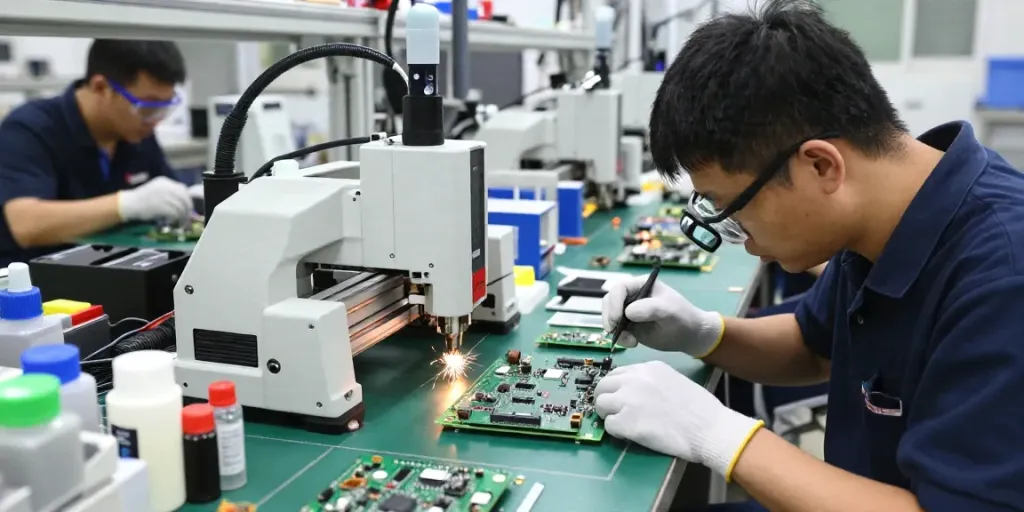
Modern IEC connector manufacturers employ advanced technologies such as automated production lines and robotics to enhance efficiency and precision. These tools not only speed up the manufacturing process but also improve quality consistency. Techniques such as injection molding and precision machining are increasingly used to create components that meet tight tolerances, which is critical for ensuring reliable connections.
Quality Control Measures in Production
Quality control measures are critical in the production of IEC connectors. Reputable manufacturers implement strict quality control protocols, including material inspections, in-process checks, and end-of-line testing. These measures ensure that every connector adheres to safety and performance standards. By investing in comprehensive quality assurance processes, manufacturers can minimize defects and enhance customer satisfaction, thereby building trust and credibility in the market.
Case Studies: Successful IEC Connector Manufacturers
Several IEC connector manufacturers have set industry benchmarks through their commitment to quality and innovation. For instance, companies that have integrated lean manufacturing principles have achieved significant reductions in waste while improving production efficiency. Such success stories highlight the importance of continuous improvement and adaptation to technological advancements in maintaining a competitive edge in the market.
The Future of IEC Connectors in 2026 and Beyond
Looking ahead, the future of IEC connectors appears promising, driven by technological advancements and evolving industry needs. As dependence on electrical devices continues to grow, so too does the demand for reliable and safe connectors.
Emerging Trends in IEC Connector Technology
Future trends in IEC connector technology are expected to focus on enhanced performance, portability, and adaptability. Developments such as miniaturization, improved thermal management, and higher voltage capabilities are likely to dominate the market landscape. Additionally, the integration of smart technology into IEC connectors, allowing for real-time monitoring of performance and safety, represents a significant leap forward.
Market Predictions for IEC Connectors
Market analysts predict robust growth in the IEC connector segment, driven by the expansion of electric vehicles, telecommunications, and renewable energy sectors. As industries increasingly adopt smart technologies and automation, the need for reliable, high-performance connectors will escalate. Moreover, manufacturers that stay ahead of compliance requirements and incorporate sustainable practices into their operations will be better positioned for future success.
How IoT and Smart Devices Influence IEC Connector Design
The rise of the Internet of Things (IoT) and smart devices is reshaping the design requirements for IEC connectors. As devices become more interconnected, there is a growing need for connectors that can support higher data and power transmission rates. Future IEC connector designs will likely incorporate features that enhance connectivity and compatibility with a wider range of devices, ensuring seamless integration in increasingly complex electrical systems.
Frequently Asked Questions about IEC Connectors
What applications use IEC connectors?
IEC connectors are ubiquitous in applications ranging from consumer electronics, such as computers and televisions, to industrial equipment like automation systems and heavy machinery. Their versatility makes them a preferred choice for various electronic devices requiring reliable power connections.
How do IEC connectors compare to other types?
IEC connectors are designed to provide standardized, safe, and efficient power connections, distinguishing them from other connector types that may not adhere to the same safety standards. While connectors like NEMA or Molex may serve specific applications, IEC connectors are favored in environments where regulatory compliance and safety are paramount.
What are the advantages of using certified IEC connectors?
Certified IEC connectors offer numerous advantages, including assurance of safety and performance. These certifications indicate that the connectors meet standardized safety guidelines, reducing the risk of electrical hazards. Furthermore, using certified connectors can enhance product reliability, which is crucial for customer satisfaction and regulatory compliance.
How can I ensure product reliability with IEC connectors?
To ensure reliability, select IEC connectors from reputable manufacturers that adhere to rigorous quality control measures and possess the necessary certifications. Additionally, regular maintenance and testing of connectors in operational settings can help identify any potential issues before they become critical failures.
Where can I find a reliable IEC connector manufacturer?
Finding a reliable IEC connector manufacturer involves researching companies that have established reputations for quality and consistency. Look for manufacturers who offer comprehensive product ranges, customization options, and robust customer support to ensure they meet your specific needs.