Understanding IPTV: The Future of Home Streaming
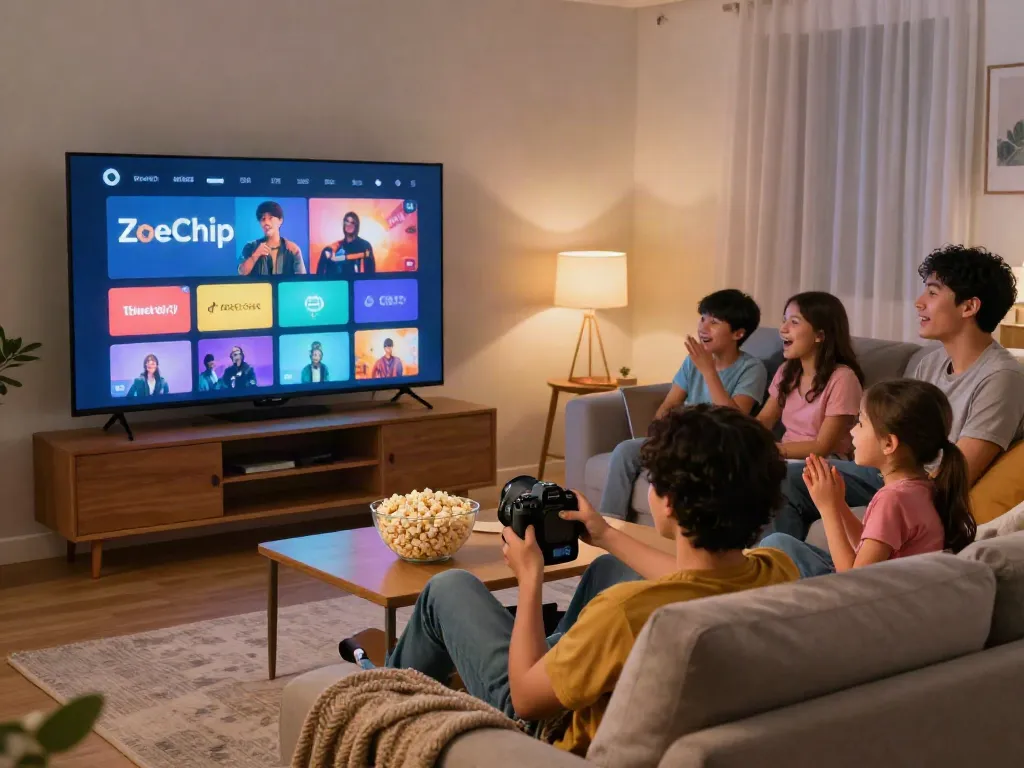
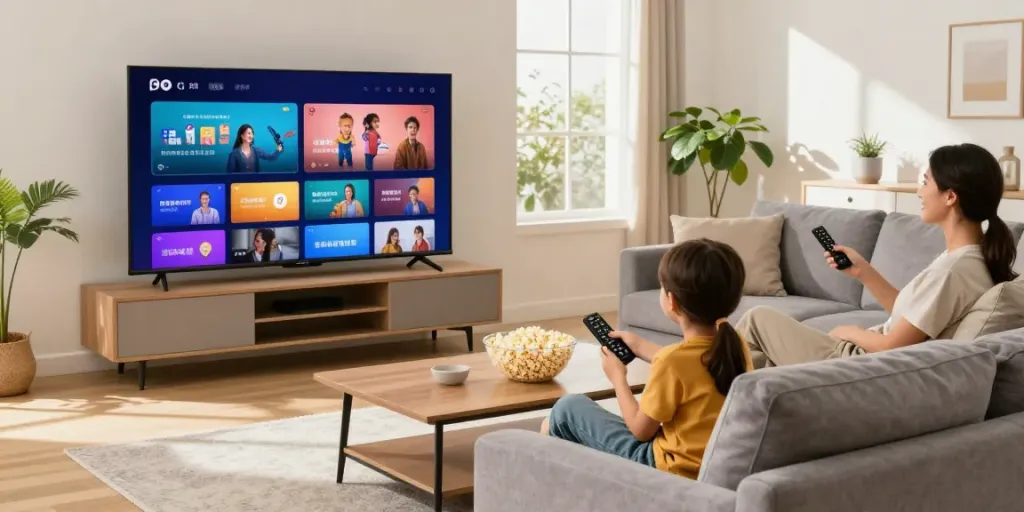
In recent years, the landscape of television viewing has undergone a dramatic transformation, with traditional cable packages being overtaken by innovative streaming technologies. Internet Protocol Television (IPTV) stands out as one of the leading advancements in this evolution. Essentially, IPTV utilizes internet protocol networks to deliver television content, allowing users to stream live channels and on-demand programs seamlessly. This shift not only enhances the viewing experience but also provides a level of flexibility and choice that traditional cable services struggle to match. As we move into 2026, understanding how IPTV works and its growing implications on the entertainment industry is crucial for both consumers and providers alike. For those looking for extensive insights into the best options for IPTV services, IPTV remains a vital resource.
What is IPTV?
IPTV, or Internet Protocol Television, is a method of delivering television content over the internet rather than through traditional means such as satellite or cable. This technology allows for a diverse array of content, including live TV broadcasts, video on demand (VOD), and even cloud-based DVR services. Users can watch channels from various genres, catch up on missed episodes, and enjoy movies without the constraints of a scheduled broadcast. The content is typically transmitted in compressed formats, enabling smoother and faster delivery, making it ideal for a variety of devices including smartphones, smart TVs, and tablets.
How IPTV Differs from Traditional TV
The fundamental difference between IPTV and traditional television lies in the transmission method. Traditional TV relies on radio frequency signals, while IPTV streams content via the internet. This not only enhances the quality of broadcasts (with high-definition and sometimes even 4K content becoming increasingly common) but also allows for on-demand viewing. Users are not confined to a specific time to watch their favorite shows, which is a significant shift in consumer behavior. Furthermore, IPTV services often come with additional features such as interactive programming guides, parental controls, and extensive channel lineups that vary in subscription packages.
Benefits of Using IPTV in 2026
As we approach 2026, the advantages of adopting IPTV are becoming clearer. Here are some key benefits:
- Flexible Viewing Options: Users can access their favorite content anytime and anywhere, removing geographical restrictions.
- Cost-Effective Solutions: Many IPTV subscriptions offer a broader range of channels at a lower price than traditional cable services. This is particularly advantageous for families looking to balance entertainment costs.
- Higher Quality Streaming: IPTV often provides superior picture quality and fewer interruptions compared to traditional broadcasts.
- Rich Interactive Features: Viewers can enjoy pause, rewind, and record options as part of their viewing experience.
Choosing the Right IPTV Service for Your Family
With numerous IPTV providers on the market, finding the best service for your family can be overwhelming. However, by evaluating key aspects of each service, you can ensure you make an informed decision.
Evaluating IPTV Providers
When selecting an IPTV provider, consider factors such as reliability, channel offerings, customer support, and user reviews. A provider that regularly updates its services and maintains a good reputation for customer service is often a better choice. Additionally, look for providers that offer free trials to test out their service before committing to a subscription.
Features to Look for in IPTV Services
Not all IPTV services are created equal; here are features you should prioritize:
- Channel Selection: Look for a provider that offers a wide range of channels that cater to your interests, including sports, news, and entertainment.
- On-Demand Content: The ability to access movies and shows on demand is essential for many users.
- Multi-Device Support: Ensure that the IPTV service supports multiple devices so that all family members can enjoy content on their preferred screens.
- User-Friendly Interface: A clean, intuitive interface can make a significant difference in the overall viewing experience.
Pricing Structures and Packages
Pricing can vary greatly among IPTV services, from budget-friendly options to premium packages. Consider what you are willing to spend and look for services that provide the best value for your needs. Some providers offer tiered pricing structures based on channel selection and features, so you can choose a plan that fits your budget.
Setting Up Your IPTV System at Home
Once you've chosen an IPTV provider, the next step is setting up your home system for seamless streaming.
Necessary Equipment for IPTV Streaming
To get started with IPTV, you typically need the following equipment:
- High-Speed Internet Connection: A stable internet connection with sufficient bandwidth (at least 10 Mbps for HD streaming) is crucial.
- Compatible Device: This could be a smart TV, a streaming device (like Roku or Amazon Fire Stick), or any device that supports IPTV apps.
- IPTV App: Most IPTV providers will require you to download their app from the appropriate app store.
Step-by-Step Setup Guide
Setting up an IPTV service is generally straightforward. Follow these steps:
- Install the IPTV app on your device.
- Open the app and enter the login credentials provided by your IPTV service.
- Configure any necessary settings, such as parental controls or channel preferences.
- Start browsing and enjoying content!
Troubleshooting Common IPTV Issues
Even with the best technology, issues can arise. Some common problems include buffering, freezing, or login issues. To troubleshoot:
- Check your internet connection and speed.
- Restart the app or device.
- Contact your IPTV provider for support if problems persist.
Maximizing Your IPTV Experience
Now that you have your IPTV service set up, it's time to enhance your viewing experience.
Customizing Channel Packages
Many IPTV providers allow you to customize your channel package according to your preferences. This means you can select only the channels that interest you, which not only saves money but also eliminates clutter from your viewing options.
Integrating IPTV with Other Smart Home Devices
Consider integrating your IPTV service with other smart home devices. Voice-activated speakers, smart remotes, and home automation systems can streamline your viewing process, allowing you to control your TV with voice commands or mobile apps.
Utilizing On-Demand Content Effectively
IPTV services often come with extensive libraries of on-demand content. Make use of these offerings by exploring new shows and movies that you may not have considered. This can significantly expand your entertainment horizons.
The Future of IPTV: Trends to Watch in 2026 and Beyond
As technology continues to evolve, so does the landscape of IPTV. Understanding emerging trends will help consumers make informed decisions moving forward.
Emerging Technologies and IPTV
Expect to see advancements in streaming quality, including 8K content and more sophisticated compression techniques that reduce buffering and improve viewing experiences. Artificial intelligence will also play a role in personalizing content recommendations.
Predictions for IPTV Usage Growth
Industry analysts predict that IPTV usage will continue to grow as more consumers seek alternative viewing options. With younger generations increasingly favoring on-demand content, IPTV services are well-positioned to capture this market.
IPTV and Changing Consumer Preferences
As consumer preferences shift towards flexibility, interactivity, and personalization, businesses in the IPTV sector must adapt their services to meet these demands. This trend will likely lead to even more competitive pricing and innovative features designed to enhance user satisfaction.