Understanding Alternatives to QOVES: What’s on the Market?
As the beauty and aesthetics industry continues to evolve, the demand for personalized facial analysis services has surged. QOVES, a popular player in this space, offers detailed facial analysis and improvement recommendations for a yearly membership fee of $150. However, with various alternatives emerging, prospective users now have more options than ever to consider. When exploring options, Alternatives to QOVES provide comprehensive insights that cater to diverse needs and budgets. In this article, we delve into the current landscape of facial analysis services, highlighting key competitors, pricing structures, and essential factors to consider when making a choice.
Overview of the Facial Analysis Landscape
The field of facial analysis has expanded significantly over recent years, driven by advancements in artificial intelligence and machine learning. These technological innovations allow for intricate assessments of facial features, symmetry, and overall attractiveness. Services like QOVES have capitalized on this trend, utilizing both AI-driven assessments and human reviews to distinguish their offerings. However, the emergence of other platforms has prompted users to evaluate their options more critically, leading to comparisons on effectiveness, price, and service depth.
Key Competitors and Their Offerings
Several alternatives to QOVES are gaining traction, each with unique features and pricing structures:
- ClinicEvo: Offers a monthly membership for $12, including a detailed report reviewed by trained aesthetics specialists within five business days.
- Umax: An app that delivers instant beauty scores based on uploaded selfies, providing a quick analysis without the depth of a full report.
- LooksMax AI: This platform focuses on AI-driven recommendations for improving attractiveness with no stated human review, appealing to users seeking immediate feedback.
- PrettyScale: A free tool that assesses beauty based on basic calculations but does not provide personalized plans.
- FaceRate.ai: Offers a beauty score and improvement suggestions, available for free for initial use.
Price Comparison: QOVES vs. Alternatives
A critical aspect of selecting a facial analysis service is understanding the pricing structure. While QOVES charges $150 per year, other services offer varied cost models:
- ClinicEvo: $12/month, totaling about $144 annually, with comprehensive human-reviewed reports.
- Umax: Typically follows a pay-per-use model, which can become expensive if used frequently.
- LooksMax AI: Often operates on a monthly subscription basis, but exact pricing may vary.
- PrettyScale and FaceRate.ai: Both are free, but they lack the personalized analysis that paid services provide.
Four Critical Factors to Consider When Choosing a Service
Human Review vs. Automated Results
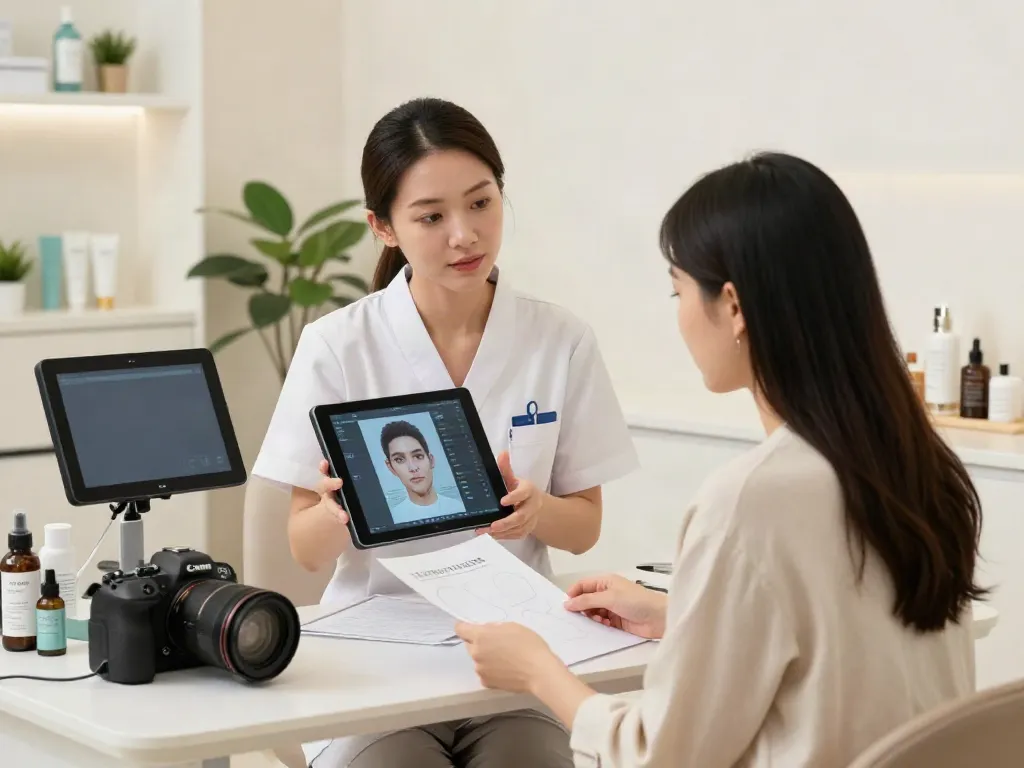
One of the significant differentiators among these services is whether a trained professional reviews the analysis. QOVES and ClinicEvo emphasize human oversight, ensuring that reports are accurate and actionable. In contrast, services like Umax and LooksMax AI may provide automated results without human input, which could impact the reliability of their suggestions.
Type of Analysis: Plans vs. Scores
Consider whether you prefer a comprehensive plan detailing improvement strategies or a simple score indicating your attractiveness. QOVES and ClinicEvo focus on delivering detailed plans, while apps like PrettyScale and FaceRate.ai offer quick scores, which might not cater to users seeking a deep understanding of their aesthetic potential.
Tracking Progress After Initial Analysis
Another essential factor is how well the service tracks your progress over time. Some platforms, like ClinicEvo, have features to adjust your plan based on ongoing assessments, fostering a more dynamic improvement strategy. In contrast, services that provide a one-time score may leave users without guidance on how to implement changes effectively.
In-Depth Look at Leading Alternatives to QOVES
ClinicEvo: Comprehensive Analysis and Reports
ClinicEvo distinguishes itself by providing an in-depth analysis combined with human review. Users receive an EvoPlan™, which is tailored to their unique features, alongside practical recommendations for improvement. The monthly fee of $12 is justified by the personalized feedback and timely reports, which are typically delivered within five business days.
Umax: Instant Beauty Scores Explained
Umax is designed for users who prefer instant feedback. By uploading a selfie, users receive a beauty score almost immediately. While this can be convenient, it lacks the depth of comprehensive analysis, leaving users to wonder how to enhance their scores. This app is ideal for quick checks but may not satisfy those looking for thorough, actionable insights.
LooksMax AI: AI-Driven Recommendations
LooksMax AI leverages artificial intelligence to offer personalized recommendations based on attractiveness ratings. Users appreciate the speed and efficiency of the app; however, the absence of human review means that the personalized advice might not be as reliable as that provided by services offering human oversight.
Frequently Asked Questions about Facial Analysis Services
Is there a free version of QOVES?
No, QOVES does not offer a free version, but it does provide a comprehensive analysis through its paid membership.
What is the most accurate face rater available?
While accuracy can vary based on individual preferences, services that offer trained human reviews, like ClinicEvo, are often regarded as more reliable than purely automated systems.
How much does a typical QOVES analysis cost?
QOVES analyses are priced at $150 per year, which includes a detailed report and recommendations.
Future Innovations in Facial Analysis Technology
Emerging Trends in AI Beauty Solutions
The rapid evolution of artificial intelligence means that we can expect significant advancements in facial analysis technology in the coming years. Innovations may include enhanced personalization features, real-time feedback during video calls, and even virtual simulations of different aesthetic treatments.
Potential Developments for 2026 and Beyond
By 2026, we may see facial analysis services integrating more profoundly with social media platforms, allowing users to receive feedback on their appearance from a broader audience. Furthermore, more refined algorithms may emerge, providing increasingly nuanced recommendations based on user data and preferences.
Expert Insights on Where the Industry is Headed
Industry experts predict that the demand for personalized beauty solutions will continue to rise. As more individuals seek guidance on aesthetic enhancements, companies will need to balance technology with human expertise to maintain trust and reliability in their services.