Understanding Lung Cancer: What Patients Need to Know
Lung cancer is one of the most prevalent and deadly forms of cancer worldwide, characterized by its aggressive nature and complex treatment options. As the second leading cause of cancer-related deaths in the UAE, it is imperative for individuals, especially those at high risk, to understand this disease, its symptoms, and the available treatment options. Early detection plays a crucial role in improving survival rates, making awareness and timely screenings vital. In Abu Dhabi, patients have access to a highly specialized and multidisciplinary approach to lung cancer care, ensuring tailored treatment plans and support throughout the recovery journey. For those seeking comprehensive insights, Lung cancer specialists in Abu Dhabi provide the expertise necessary for effective management of this disease.
Overview of Lung Cancer Types and Their Impacts
Lung cancer is primarily categorized into two main types: Non-Small Cell Lung Cancer (NSCLC) and Small Cell Lung Cancer (SCLC). NSCLC accounts for approximately 85% of lung cancer diagnoses and is generally known for its slower growth rate. It typically includes subtypes such as adenocarcinoma, squamous cell carcinoma, and large cell carcinoma, each exhibiting unique characteristics and treatment responses. In contrast, SCLC is a more aggressive form of lung cancer, accounting for about 15% of cases, often diagnosed at a later stage due to its rapid progression and association with more severe symptoms.
The impacts of lung cancer extend beyond the physical realm, affecting emotional and psychological health as well. Patients often experience anxiety and uncertainty regarding their diagnosis, treatment, and prognosis, which can significantly affect their quality of life. Therefore, a comprehensive approach to treatment that addresses not only the physical but also the emotional needs of patients is essential.
The Importance of Early Detection and Screening
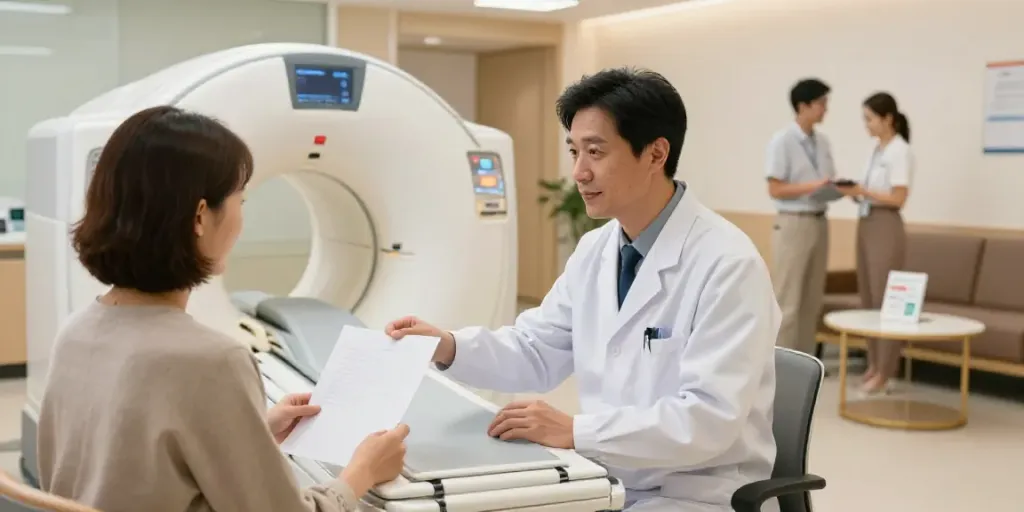
Early detection significantly enhances the chances of successful treatment and survival in lung cancer patients. Unfortunately, many individuals do not exhibit symptoms in the early stages, making routine screenings a critical component of lung health management, particularly for high-risk populations such as smokers and those with a family history of lung cancer. Innovations in imaging technologies, such as low-dose computed tomography (LDCT), have revolutionized the early detection of this disease, allowing healthcare professionals to identify lung cancer at its most treatable stages.
Why Choose Lung Cancer Specialists in Abu Dhabi?
Multidisciplinary Approach to Treatment
Choosing to engage with lung cancer specialists in Abu Dhabi means benefitting from a multidisciplinary approach to treatment, where various healthcare professionals collaborate to design personalized care plans. This collaborative environment ensures that each aspect of a patient's health is addressed, from diagnosis and treatment to recovery and support.
State-of-the-Art Facilities and Technology
Abu Dhabi boasts advanced medical facilities equipped with cutting-edge technology for diagnosing and treating lung cancer. Facilities like Cleveland Clinic Abu Dhabi utilize minimally invasive surgical techniques, radiation therapy, and targeted treatments that align with the latest research and clinical guidelines.
Patient-Centered Care: What to Expect
Patients engaging in the lung cancer program can expect a patient-centered care model, which emphasizes communication, education, and personalized support. Regular Tumor Board meetings allow for collaborative decision-making regarding treatment options, ensuring that every patient receives a tailored strategy that aligns with their needs and preferences.
Comprehensive Treatment Options Offered
Surgical Techniques: Minimally Invasive vs. Traditional
Surgery is a primary treatment modality for lung cancer, often used to remove tumors while preserving healthy lung tissue. Cleveland Clinic Abu Dhabi offers minimally invasive techniques, such as robotic-assisted surgeries, which result in smaller incisions, reduced pain, and shorter recovery times compared to traditional open surgeries.
Radiation and Chemotherapy: A Dual Approach
Radiation therapy and chemotherapy play pivotal roles in lung cancer management, particularly for patients with advanced disease or those unable to undergo surgery. Radiation can target tumors directly, while chemotherapy aims to eliminate cancer cells throughout the body. The combination of these therapies often enhances treatment efficacy, improving patient outcomes.
Novel Therapies: Understanding Clinical Trials
Clinical trials present opportunities for patients to access cutting-edge treatments that may not yet be widely available. These trials often explore novel therapies that target specific cancer cell mutations, offering hope for improved efficacy and fewer side effects. Engaging with lung cancer specialists provides patients with valuable insights into available clinical trials and eligibility criteria.
Healthcare Partnerships: Trusted Insurance Providers
Insurance Coverage Options for Lung Cancer Treatment
Navigating healthcare coverage and understanding insurance options is crucial for patients undergoing lung cancer treatment. In Abu Dhabi, several trusted insurance partners work alongside healthcare providers to ensure that patients receive the care they need without facing financial burdens.
Understanding the Financial Aspects of Care
Financial considerations are a significant aspect of cancer treatment. Patients should be informed about the costs associated with various treatment modalities and consult with their insurance providers to clarify coverage details. Resources are available to assist patients in understanding their financial responsibilities and options.
Resources for Patients Navigating Insurance
Many healthcare institutions, including Cleveland Clinic Abu Dhabi, offer financial counseling services to help patients navigate their insurance plans effectively. These resources aim to ensure patients can focus on their treatment and recovery without the added stress of financial uncertainties.
Success Stories and Patient Experiences
Real Testimonials from Patients Treated in Abu Dhabi
Patient testimonials provide powerful insights into the effectiveness of lung cancer treatment programs in Abu Dhabi. Many individuals share stories of hope and recovery, highlighting the importance of early detection, comprehensive care, and the support they received throughout their journey.
How Support Networks Enhance Recovery
Support networks play a vital role in the recovery process for lung cancer patients. Family, friends, and support groups contribute to emotional well-being, helping patients navigate the challenges of treatment and fostering resilience during difficult times.
Future Outlook: Advances in Lung Cancer Care
The future of lung cancer care is promising, with ongoing research leading to the development of new treatments and therapies. Innovations in personalized medicine, targeted therapies, and immunotherapies are transforming the landscape of lung cancer management, offering hope for improved outcomes and enhanced quality of life for patients.
What Are the Signs of Lung Cancer?
Recognizing the signs of lung cancer is essential for early diagnosis. Common symptoms may include persistent cough, shortness of breath, chest pain, and unexplained weight loss. However, some individuals may not display any symptoms until the disease has progressed, underscoring the importance of regular screenings for high-risk individuals.
How Can I Get Screened for Lung Cancer?
Getting screened for lung cancer typically involves a consultation with a healthcare provider who will assess your risk factors and recommend appropriate screening tests, such as LDCT scans. Early detection through routine screenings can significantly enhance survival rates.
What Treatment Plans Are Available for Lung Cancer?
Treatment plans for lung cancer vary based on individual factors, including the type and stage of cancer, as well as patient health. Options include surgery, chemotherapy, radiation therapy, targeted therapy, and participation in clinical trials. A specialist will collaborate with you to design a treatment plan that aligns with your specific needs and goals.
What Factors Affect Lung Cancer Prognosis?
Several factors can influence lung cancer prognosis, including the stage at diagnosis, the type of lung cancer, patient age, overall health, and response to treatment. Understanding these factors can empower patients to engage actively in their care and decision-making processes.
Who Are the Leading Specialists in Lung Cancer Treatment?
Abu Dhabi is home to numerous leading lung cancer specialists who are dedicated to providing high-quality care. Collaborations among oncologists, radiologists, and surgical teams ensure a holistic approach to treatment, improving patient outcomes and experiences.