The Importance of Local Food Cooperatives
In an era of globalization and rapid industrialization, local food cooperatives have emerged as vital pillars supporting sustainable community development and food security. These cooperatives not only enhance access to local, organic produce but also foster community engagement through collective action. As we explore the significance of food cooperatives, it is essential to understand their multifaceted benefits, particularly in regions like Sonoma Valley, where agriculture plays a pivotal role in local culture and economy. When exploring options, springshall.org provides comprehensive insights into community initiatives that highlight these benefits.
Benefits of Community-Based Food Systems
Community-based food systems serve as a counterbalance to the corporate food industry, emphasizing transparency, sustainability, and local engagement. By sourcing food from local farmers, cooperatives reduce transportation costs and the carbon footprint associated with food distribution. More importantly, they contribute to a circular economy, ensuring that money spent on food remains within the community and supports local jobs.
- Enhanced Food Security: Local food cooperatives improve access to fresh produce, which is crucial for residents who may otherwise depend on less nutritious, processed foods.
- Economic Resilience: By purchasing directly from local farmers, cooperatives help stabilize the local economy, allowing farmers to sustain their businesses and reinvest in the community.
- Strengthened Community Bonds: These cooperatives create social networks among residents, farmers, and volunteers, promoting a sense of belonging and collective identity.
How Local Cooperatives Help Sustain Farmers
Local food cooperatives play a crucial role in promoting sustainable agricultural practices. By providing a direct market for farmers, these cooperatives enable them to receive fair prices for their products, fostering economic stability. This support is particularly essential for small-scale farmers who may struggle to compete with larger agribusinesses.
Additionally, cooperatives often assist farmers in adopting environmentally-friendly practices, which can enhance soil quality and reduce dependence on harmful pesticides. Many cooperatives also provide resources for education and training, helping farmers innovate and adapt to changing market demands.
Impact of Food Cooperatives on Public Health
The link between food access and public health is well-documented. Communities with strong access to fresh, local food see lower rates of diet-related diseases such as obesity, diabetes, and heart disease. Food cooperatives contribute to improved public health outcomes by ensuring that residents have access to nutritious options.
Moreover, many food cooperatives offer educational programs about healthy eating, cooking, and nutrition. These initiatives empower community members to make informed food choices, thereby fostering a healthier community overall.
Recent Events at Sonoma Springs Hall
Sonoma Springs Hall has been at the forefront of community engagement, hosting a variety of events aimed at promoting local food initiatives. Key programs like the Farmer’s Friend are testament to the Hall’s commitment to supporting local farmers and ensuring food access for all community members.
Overview of the Farmer’s Friend Program and Outreach
The Farmer’s Friend program was created to address food insecurity exacerbated by the COVID-19 pandemic. This initiative connects local farmers with community members in need, providing fresh, organic produce by leveraging the abundance of local agricultural resources. As of 2026, the program has distributed thousands of pounds of fresh produce, ensuring that those who struggle financially can access healthy food options.
Highlights from Recent Food Distribution Events
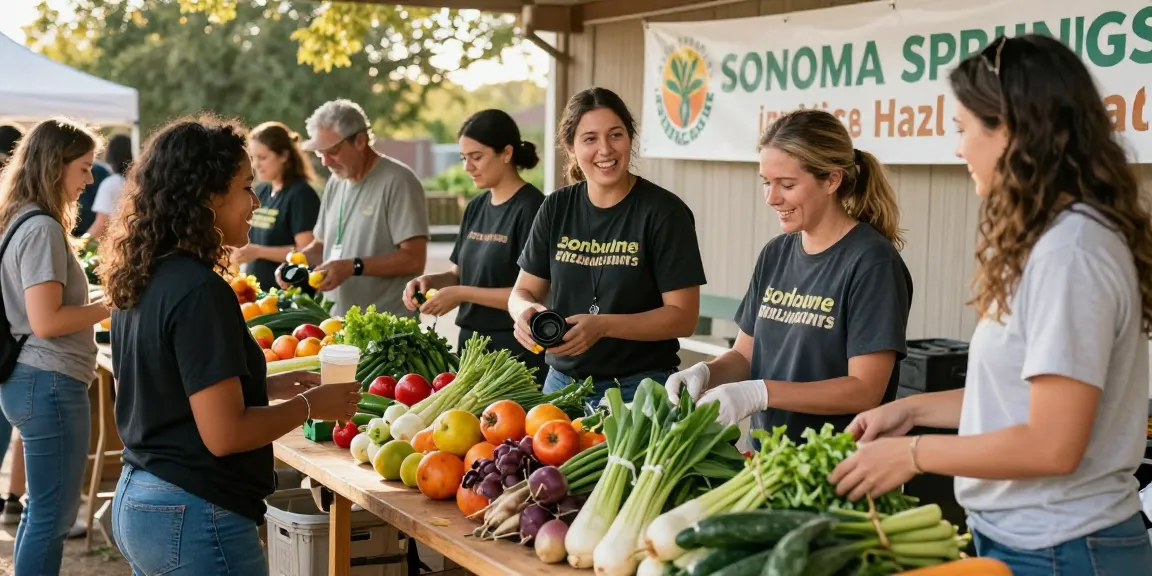
Recent distributions at Sonoma Springs Hall have included a vast array of local produce, such as tomatoes from Oak Hill Farm, peppers from Paul’s Produce, and various seasonal fruits and vegetables from local gardens. Community support has been overwhelming, with volunteers working tirelessly to assemble and distribute these food packages to families in need.
To date, the collaborative effort has fostered partnerships with many local farms and organizations, emphasizing a community-centric approach to food access.
Community Engagement and Volunteer Opportunities
Volunteering at Sonoma Springs Hall presents an excellent opportunity for community members to engage actively with local food systems. Volunteers play a vital role in organizing food distributions, gleaning excess produce from local farms, and helping with educational programs. This spirit of collaboration is essential to the success of initiatives aimed at addressing food insecurity.
Residents interested in contributing can participate in various capacities, from sorting produce to helping with outreach and communication efforts, thereby strengthening community ties and promoting local agriculture.
Challenges Facing Local Food Access
Despite the progress made by local cooperatives and initiatives like those at Sonoma Springs Hall, challenges remain. Understanding these barriers is crucial for developing effective strategies to enhance food access for all community members.
Economic Barriers to Organic Produce
One significant challenge is the economic barrier to accessing organic produce. While local cooperatives strive to provide affordable options, the reality is that organic farming often incurs higher costs. These costs can be passed on to consumers, making organic products less accessible for low-income families.
To combat this, cooperatives are implementing various strategies, such as sliding scale pricing or connecting with local organizations to subsidize costs for families in need.
Accessibility Issues in Rural Areas
Rural areas like Sonoma Valley often face logistical challenges that hinder access to fresh food. Limited transportation options can make it difficult for low-income individuals to travel to food markets or distribution points. Local cooperatives are working to address this by establishing mobile markets or partnering with local transportation services to assist those needing better access to food sources.
Educational Initiatives for Healthy Eating
Another barrier to food access is the lack of education about healthy eating and nutrition. Local cooperatives are stepping up by offering workshops and classes that educate community members on meal planning, cooking skills, and the benefits of consuming local, organic produce. These initiatives empower residents to make healthier food choices, ultimately leading to improved community health.
Future Trends in Local Food Cooperatives
The landscape of local food cooperatives is continually evolving, and several trends are expected to shape the future of these vital community resources.
Predicted Growth of Community-Based Agriculture
Experts predict a significant growth in community-based agriculture as more consumers prioritize sustainability and local sourcing. This trend is driving interest in food cooperatives, as community members seek reliable sources of organic produce. The demand for transparency in food sourcing is fueling the growth of these organizations.
Innovations in Local Food Distribution Models
Innovative distribution models are emerging to improve access to local produce. For instance, some cooperatives are experimenting with subscription services that allow members to receive regular deliveries of fresh produce. Additionally, partnerships with local restaurants and grocery stores are expanding the reach of community farms.
The Role of Technology in Enhancing Food Cooperatives
Technology plays a vital role in modernizing food cooperatives. Many are employing apps and websites to facilitate ordering, streamline operations, and improve communication with customers. Technology will continue to revolutionize how cooperatives manage logistics, engage with the community, and implement innovative solutions to address food accessibility.
How to Get Involved with springshall.org
For those inspired to contribute to the local food movement, numerous opportunities exist through Sonoma Springs Hall. Engaging with springshall.org can open many doors for participation in cooperative initiatives and community events.
Ways to Support Local Farmers and Initiatives
Support can take many forms, from shopping at local farmer’s markets to participating in community-supported agriculture (CSA) programs. By choosing to buy local, consumers directly impact the livelihoods of farmers and help sustain community agriculture.
How to Volunteer or Donate
Volunteering time at local food distribution events or donating funds to support initiatives like the Farmer’s Friend program can significantly impact the community. Many organizations rely on community support to function effectively, making volunteerism and financial contributions invaluable.
Engagement Opportunities for Community Members
Residents can participate in various activities, from gardening workshops to food preparation classes. Sharing knowledge and skills fosters a stronger community and nurtures deeper connections among residents and local food systems.
What impact will community involvement have?
Community involvement in food cooperatives leads to a more self-sufficient, sustainable local economy. As residents engage more with local agriculture, they cultivate a deeper understanding of their food sources and are more likely to advocate for policies supporting food access and sustainability.
How are local cooperatives addressing food insecurity?
Local cooperatives address food insecurity through direct food distributions, educational initiatives, and supportive networks that connect vulnerable populations with local farmers. These multifaceted approaches are crucial in ensuring that all community members have access to nutritious food.
What are the environmental benefits of local food cooperatives?
By promoting local agriculture, food cooperatives contribute to reduced carbon emissions associated with transportation, support biodiversity, and encourage sustainable farming practices. These environmental benefits align with the broader goals of combating climate change and preserving local ecosystems.