
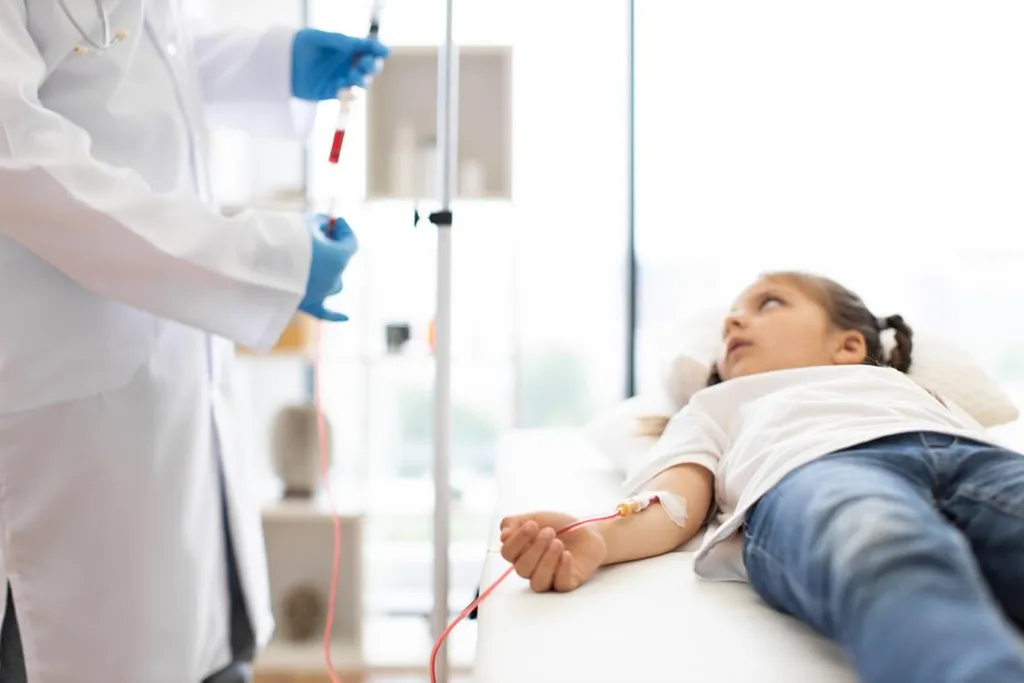
Children's health can change quickly, and recognising unusual symptoms early can help parents seek appropriate medical advice. Blood disorders and childhood cancers may initially cause symptoms that resemble common childhood illnesses. Understanding hem onc care can help parents learn when persistent fatigue, unexplained bruising, or frequent infections deserve further evaluation. Although these symptoms do not automatically indicate a serious condition, parents should not ignore persistent or worsening changes in their child's health. Early medical assessment helps doctors identify the underlying cause and determine the most appropriate care.
Understanding Childhood Blood Disorders
When blood cells or clotting mechanisms do not function properly, children may experience different health problems.
Pediatric hematology and oncology specialists evaluate several conditions, including:
● Anemia: A condition in which the body has insufficient healthy red blood cells or haemoglobin to carry oxygen effectively.
● Thalassemia: An inherited blood disorder that affects haemoglobin production.
● Hemophilia: A bleeding disorder that makes blood clot less effectively.
● Leukemia: A cancer affecting blood-forming tissues, including the bone marrow.
● Lymphoma: A cancer involving the lymphatic system.
Some conditions are manageable with regular medical care, while others require specialised treatment. Through hem oncology services, doctors can assess symptoms, investigate abnormal blood results, and recommend suitable treatment based on the child's diagnosis.
Early Warning Signs Parents Should Recognise
Childhood blood disorders do not always produce obvious symptoms in their early stages. However, recognising unusual changes and discussing them with a healthcare professional can help families obtain timely medical attention.
Persistent Fatigue and Pale Skin
Children often become tired after playing, studying, or participating in physical activities. However, ongoing fatigue, unusual weakness, or pale skin may indicate anemia or another underlying health concern. Parents should observe whether their child frequently feels exhausted, struggles with everyday activities, or appears less energetic than usual. A doctor may recommend blood tests to investigate the cause.
Unexplained Bruising and Bleeding
Frequent or unusually large bruises can sometimes indicate a problem with platelets or blood clotting. Other warning signs include repeated nosebleeds, bleeding gums, or bleeding that takes longer than expected to stop. A specialist in hem oncology can evaluate whether the symptoms relate to a clotting disorder, a platelet problem, or another condition.
Frequent Infections and Persistent Fever
Children commonly experience infections as their immune systems develop. However, repeated, unusually severe, or persistent infections may require further investigation, particularly when they occur alongside fatigue, bruising, or unexplained weight loss. Medical assessment can help identify whether the symptoms reflect a routine infection or a condition requiring specialised care.
Bone Pain, Swelling, and Other Symptoms
Bone and joint pain can occur because of growth, physical activity, minor injuries, or several medical conditions. However, persistent pain without a clear explanation deserves attention, particularly when it interferes with walking, sleeping, or normal activities.
Parents may search online for a pediatric orthopedic surgeon near me when their child experiences ongoing joint discomfort or movement difficulties.
Other symptoms worth discussing with a doctor include:
● Unexplained weight loss or poor weight gain.
● Swollen lymph nodes that persist or continue growing.
● Unusual abdominal swelling or a persistent lump.
● Repeated bone or joint pain without a clear cause.
● A noticeable decline in energy or appetite.
A pediatric orthopedic surgeon near me may be appropriate for suspected bone or joint conditions, but parents should not assume that every episode of bone pain requires surgery.
How Specialists Diagnose Childhood Blood Disorders
Recognising symptoms is only the first step. Doctors must identify the underlying cause before recommending treatment. During an assessment, they may review the child's medical history, examine physical symptoms, and recommend suitable investigations.
Common diagnostic methods include:
● Blood Tests: A complete blood count can help evaluate red blood cells, white blood cells, and platelets.
● Additional Laboratory Tests: Depending on the symptoms, doctors may assess iron levels, clotting function, or other relevant markers.
● Bone Marrow Examination: In selected cases, doctors may recommend examining bone marrow to investigate suspected blood cancers or other marrow disorders.
● Imaging Tests: Ultrasound, X-rays, MRI, or other imaging may help investigate particular symptoms when clinically necessary.
Specialists providing hem oncology care use the findings to determine the diagnosis and develop an individual treatment plan.
Treatment and Ongoing Support for Children
Treatment depends on the specific condition, its severity, the child's age, and overall health. Some blood disorders require nutritional support, medication, or regular monitoring. Families also receive guidance about possible side effects, infection prevention, nutrition, and follow-up appointments.
Parents can support their children by:
● Attending scheduled consultations and investigations.
● Following prescribed medicines and treatment instructions.
● Reporting new symptoms or unexpected side effects.
● Encouraging rest, balanced nutrition, and emotional well-being.
● Discussing school attendance and physical activities with the treating team.
Searching for a pediatric orthopedic surgeon near me can help parents explore relevant specialist care, but the child's doctor should guide referrals when symptoms overlap with a possible blood disorder.
Supporting Families Through Early Medical Care
A suspected blood disorder can cause understandable worry for parents. However, unusual symptoms do not always indicate cancer, as many conditions have common, treatable causes. Early medical assessment helps identify the underlying problem and determine the appropriate care.
Families can support their child's health through the following steps:
● Understand the Symptoms: Monitor persistent fatigue, unexplained bruising, frequent infections, or unusual bleeding.
● Seek Specialist Guidance: Hem onc services help identify health concerns, explain treatment options, and support children throughout their care.
● Attend Follow-Up Appointments:Hem oncology specialists can coordinate investigations and monitor the child's progress.
● Maintain Medical Records: Record symptoms, when they began, and relevant family and medical history.
● Recognise Emergency Signs: Seek urgent medical attention for severe bleeding, difficulty breathing, fainting, or when a child appears seriously unwell.
They should seek urgent medical attention for severe bleeding, difficulty breathing, fainting, or a child who appears seriously unwell.
Conclusion
Recognising early signs of childhood blood disorders helps parents make informed decisions about their child's health. Although these symptoms may have several causes, timely evaluation can help identify conditions that need treatment. Specialised hem oncology care supports accurate diagnosis, personalised treatment, and continued monitoring. Parents can also consult a pediatric orthopedic surgeon near me when their child experiences persistent bone or joint pain that requires specialist assessment.
Finding appropriate healthcare guidance is an important step when a child develops persistent or unusual symptoms. Ankura Hospitals provides specialised pediatric hematology and oncology services for children with blood disorders and childhood cancers, including diagnostic evaluation and individualised care. The hospital further provides specialized pediatric orthopedic care to address complex bone and joint issues. Families can consult Ankura Hospitals to discover their comprehensive medical offerings and find suitable clinical guidance tailored to their child's specific health requirements.