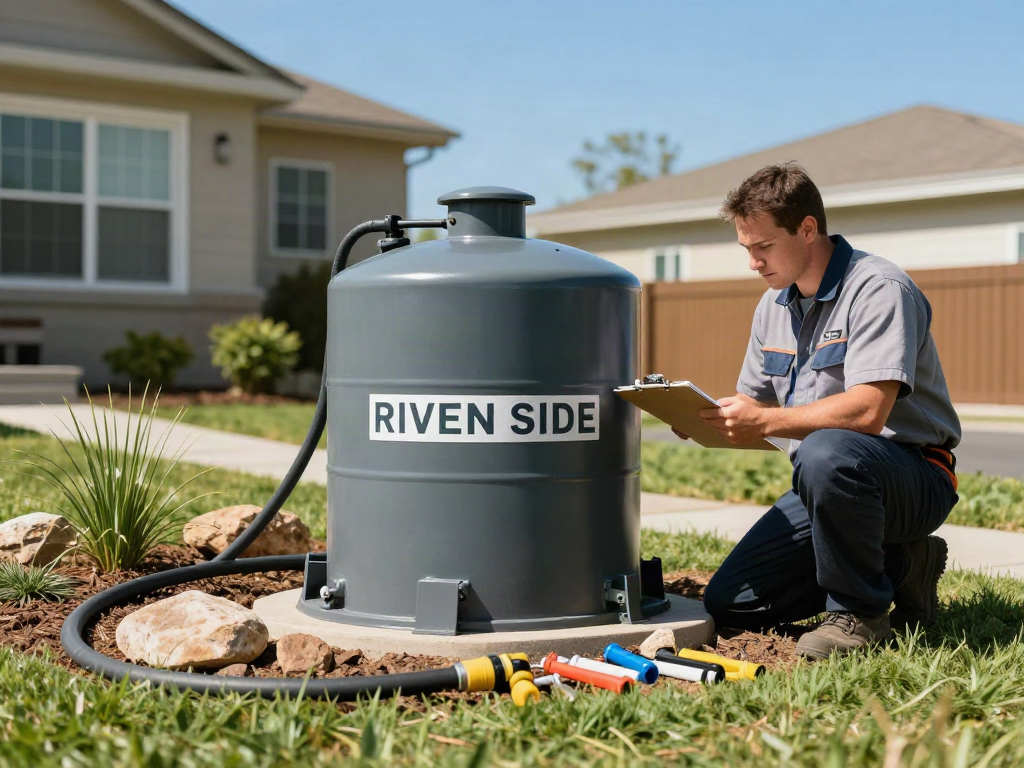
Understanding Septic Tanks: Fundamentals and Functions
Septic tanks are an essential component of sewage treatment systems commonly found in rural and suburban areas, such as Riverside. They serve to treat and manage wastewater generated by households that are not connected to municipal sewer systems. Understanding how septic systems function is fundamental for homeowners, as it directly impacts their health, safety, and environmental footprint. When exploring options, Septic tanks Riverside provides comprehensive insights into local regulations and recommendations.
What is a Septic Tank?
A septic tank is a watertight container used to treat wastewater from homes. Typically buried underground, it separates solids from liquids and allows for a biological breakdown of waste materials. The tank typically comprises three main components: an inlet pipe, a tank body, and an outlet pipe. As wastewater enters the tank, solids sink to the bottom, forming sludge, while lighter materials, such as grease, float to the top, creating scum. The remaining liquid effluent is discharged into a drain field for further treatment.
How Septic Systems Work in Riverside
In Riverside, septic systems operate under specific regulations to ensure they effectively manage and treat wastewater. The wastewater flows into the septic tank via the inlet pipe. Once inside, anaerobic bacteria break down the solid waste, reducing its volume and converting it into effluent. This effluent then flows into a drain field, where it percolates through soil layers, which act as natural filters, further treating the wastewater before it reaches the groundwater.
Key Components of a Septic Tank System
- Septic Tank: The central unit that holds wastewater and facilitates the breakdown of solids.
- Drain Field: A series of perforated pipes laid in gravel-filled trenches that distribute effluent into the soil.
- Soil: Acts as a natural filter, allowing for further treatment of effluent through adsorption and microbial action.
- Outlet Filter: A device that prevents large particles from leaving the tank and entering the drain field.
Septic Tank Types: Choosing the Right System for Your Property
Common Septic Tank Designs in Riverside
Different types of septic tank designs are available to accommodate varying property sizes, soil types, and household needs. In Riverside, the most common designs include conventional gravity systems, pressure distribution systems, and alternative systems like aerobic treatment units. Each design has unique characteristics and benefits, making it essential for property owners to assess their specific requirements before making a selection.
Concrete vs. Plastic: Pros and Cons
When selecting materials for septic tanks, homeowners often debate between concrete and plastic. Concrete tanks are known for their durability and longevity, often lasting several decades. However, they can be prone to cracking and require additional maintenance. On the other hand, plastic tanks are lightweight and resistant to chemical corrosion but may have a shorter lifespan. Ultimately, the decision should consider budget constraints, soil conditions, and local regulations.
How to Determine the Right Size for Your Needs
Choosing the correct size septic tank is crucial for its effective functioning. Factors such as the number of bedrooms, daily water usage, and occupancy rates should guide sizing decisions. A general rule of thumb is 1,000 gallons for a three-bedroom home, but larger households may require bigger tanks. Consulting with a certified septic system professional can help in determining the appropriate size tailored to specific needs.
Maintenance Best Practices for Septic Tanks Riverside
Regular Inspection and Pumping Guidelines
Routine maintenance of a septic tank is essential for its longevity and efficiency. Experts recommend inspecting the tank every 1-3 years and pumping it every 3-5 years, depending on usage and tank size. Regular checks for leaks, clogs, and sludge buildup can prevent costly repairs and ensure that the system functions correctly.
Signs Your Septic Tank Needs Attention
- Slow drains throughout the house.
- Unpleasant odors near the septic tank or drain field.
- Pooling water or lush vegetation in the drain field area.
- Frequent backups in toilets or sinks.
DIY Maintenance Tips for Homeowners
Homeowners can take several steps to maintain their septic tanks. These include keeping accurate records of pumping dates, avoiding flushing non-biodegradable materials, and minimizing the use of harsh chemicals that can disrupt the bacterial balance within the tank. Additionally, directing rainwater away from the drain field can prevent over-saturation and encourage proper drainage.
Common Issues with Septic Tanks and How to Solve Them
Identifying Blockages and Backups
Blockages in a septic system often arise from improper disposal of non-biodegradable items or excessive grease buildup. Homeowners experiencing slow drainage or backups should first check their plumbing fixtures for clogs. If the problem persists, it may be necessary to have the septic tank pumped or serviced by a professional.
Dealing with Odor Problems
Foul odors around the septic tank or drain field often indicate a problem. Homeowners should start by inspecting the tank for leaks or overflows, which may require immediate attention. Maintaining a balanced bacterial culture within the tank and ensuring proper ventilation can also help mitigate odor issues.
Resolving Drain Field Failures
A failing drain field can lead to significant health and environmental hazards. Symptoms such as pooling water or unusual vegetation growth indicate that the drain field is not functioning effectively. Homeowners should consult with a septic system specialist to assess the drain field and determine whether repairs or a replacement are necessary.
Future Trends in Septic System Technology and Regulations
Innovative Septic Solutions for 2026
As technology advances, new septic systems are emerging that focus on enhanced efficiency and reduced environmental impact. For instance, hybrid systems that combine traditional septic tanks with advanced treatment technologies are gaining traction. These systems offer improved waste treatment and are less prone to failure, making them an attractive choice for homeowners.
Environmental Regulations Affecting Septic Tanks Riverside
Local regulations governing septic systems are becoming more stringent, particularly in areas with high-density populations or sensitive ecosystems. Homeowners should stay informed about any changes to regulations that may impact septic systems in Riverside. Compliance not only ensures legal adherence but also promotes environmental sustainability.
Emerging Technologies for Waste Management
The future of waste management may involve the integration of smart technologies in septic systems. Sensors and data analytics can provide real-time insights into tank levels, enabling homeowners to schedule maintenance proactively. Furthermore, advancements in biological treatment methods can lead to more efficient wastewater processing and reduced environmental footprint.
What are the signs of a failing septic system?
Common signs include slow drains, foul odors, and pooling water in the yard. Homeowners should remain vigilant and seek professional help at the first sign of trouble.
How often should I pump my septic tank?
The frequency of pumping depends on the tank size and household usage, but typically it should be done every 3-5 years.
Can I install a septic tank myself?
While some homeowners may attempt DIY installations, it is recommended to hire licensed professionals to ensure compliance with local codes and regulations.
What are the costs associated with septic tank installation?
Costs can vary widely based on tank type, site conditions, and additional features but generally range from $3,000 to $10,000.
How does weather affect my septic system?
Weather can significantly impact septic systems; heavy rains may saturate the drain field, while dry spells can lead to drying out of the soil, both of which can impair system functionality.