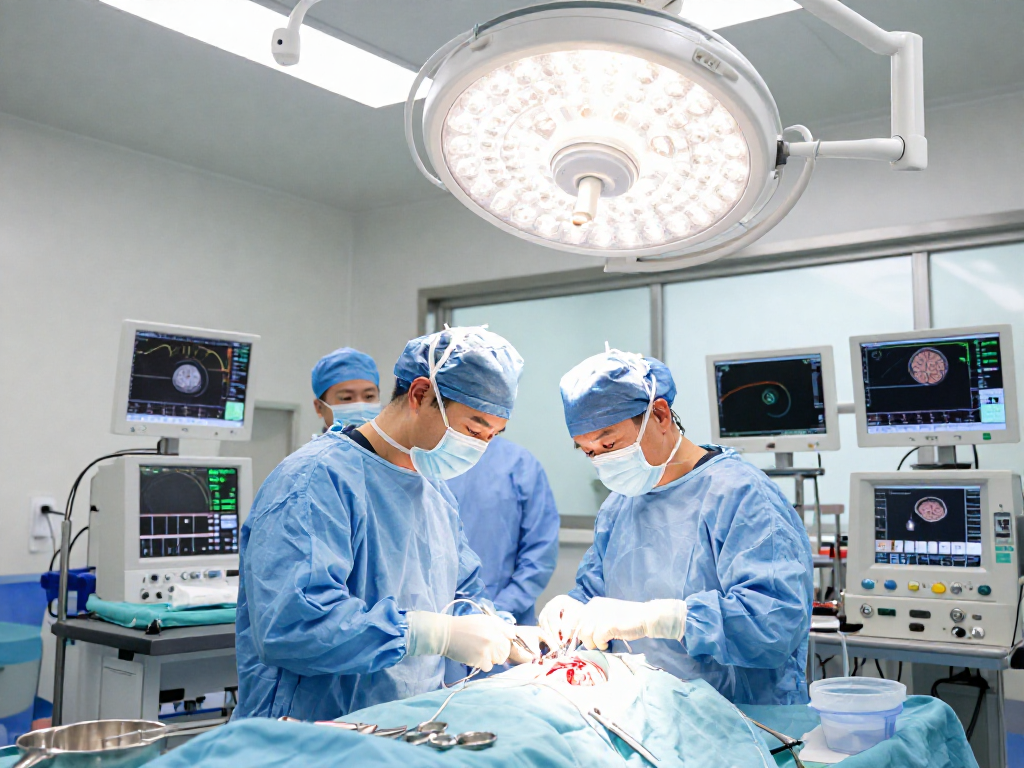
Understanding Beyin Tümörü Ameliyatı
Beyin tümörü ameliyatı, insanların yaşamlarını önemli ölçüde etkileyen çeşitli beyin tümörlerinin tedavisinde kritik bir işlemdir. Her yıl binlerce insan, beyin tümörleri nedeniyle cerrahi müdahale gerektiren zorlu bir süreçten geçer. Bu yazıda, beyin tümörü ameliyatının kapsamını, sürecini, risklerini ve yenilikçi tekniklerini detaylı bir şekilde ele alacağız. Ziyaret ettiğiniz bu sayfada, beyin tümörü ameliyatı hakkında kapsamlı bilgiler bulacaksınız.
What Is a Brain Tumor Surgery?
Brain tumor surgery is a medical procedure aimed at removing tumors from the brain. These tumors can be benign (non-cancerous) or malignant (cancerous) and may arise from various types of brain cells or metastasize from tumors located elsewhere in the body. The main goal of brain tumor surgery is to relieve symptoms, preserve neurological function, and improve overall quality of life for patients.
Types of Brain Tumors Treated
There are several types of brain tumors treated through surgical intervention, including:
- Meningiomas: Typically benign tumors originating from the meninges, the protective membranes covering the brain.
- Gliomas: Malignant tumors arising from glial cells, including high-grade variants like glioblastoma multiforme (GBM).
- Metastatic tumors: Tumors that spread to the brain from other parts of the body, such as lung or breast cancer.
- Pituitary adenomas: Tumors affecting the pituitary gland, which can disrupt hormonal balance.
Importance of Early Detection
Early detection of brain tumors is crucial for effective treatment. Symptoms can vary based on tumor location, size, and type, but common signs include persistent headaches, vision changes, seizures, and neurological deficits. If these symptoms arise, prompt imaging studies like MRI or CT scans are vital for diagnosis and timely intervention.
The Surgical Process of Beyin Tümörü Ameliyatı
Preoperative Preparations and Assessments
Before undergoing brain tumor surgery, thorough assessments are conducted to ensure patient safety and maximize surgical outcomes. This includes imaging tests to determine the tumor's size, location, and relation to surrounding brain structures. Additionally, patients may undergo routine blood tests, neurological evaluations, and consultations with anesthesiology.
Step-by-Step Surgical Procedure
The surgery process typically includes the following steps:
- Anesthesia: Patients are given general anesthesia to ensure they remain unconscious and pain-free during the operation.
- Craniotomy: The surgeon makes a precise incision through the scalp and removes a small section of the skull to access the brain.
- Tumor Resection: Using advanced techniques, the surgeon carefully removes the tumor while preserving healthy brain tissue and minimizing damage to critical areas.
- Closure: After removing the tumor, the surgeon closes the skull and scalp, securing the bone flap back in place.
Postoperative Monitoring and Care
After surgery, patients are closely monitored in a recovery unit. This phase is essential to check for potential complications, such as bleeding or infection. Neurological function is also assessed regularly, and imaging studies may be repeated to evaluate the effectiveness of the surgery.
Risks and Complications of Beyin Tümörü Ameliyatı
Common Risks Associated
As with any surgical procedure, brain tumor surgery carries risks that patients should be aware of. Some common complications include:
- Infection: Infection at the surgical site can occur, necessitating antibiotic treatment.
- Bleeding: Excessive bleeding during or after the procedure may require further intervention.
- Neurological deficits: Patients may experience temporary or permanent changes in neurological function, depending on the tumor's location.
Managing Post-Surgery Complications
Postoperative care involves managing complications through vigilant observation. Patients may require medications to manage pain, control swelling, or prevent seizures. Physical therapy and rehabilitation are often recommended to aid recovery and enhance functional outcomes.
Long-term Recovery and Follow-up Care
Recovery times vary among individuals but can range from weeks to months. Regular follow-up appointments are essential to monitor for tumor recurrence or any late-onset complications. Patients might undergo additional treatments, such as radiation therapy or chemotherapy, based on the tumor's characteristics and postoperative findings.
Innovative Techniques and Technologies
The Role of Stereotactic Surgery
Stereotactic surgery employs advanced imaging techniques to precisely target brain tumors while minimizing damage to surrounding tissues. This method is particularly beneficial for small or deep-seated tumors.
Benefits of Awake Brain Surgery
Awake brain surgery allows patients to remain conscious during the procedure, enabling surgeons to test brain function in real-time. This technique is advantageous for tumors located near critical areas responsible for speech and movement, as it reduces the risk of functional impairment.
Advancements in Minimally Invasive Techniques
Minimally invasive techniques, such as endoscopic surgery, allow for smaller incisions and reduced recovery times. These approaches minimize trauma to the brain and surrounding tissues, improving patient outcomes while decreasing hospital stays.
Financial Aspects of Beyin Tümörü Ameliyatı
Estimating Costs: Public vs. Private Hospitals
The costs associated with brain tumor surgery can vary significantly depending on the healthcare facility. Public hospitals may offer lower costs, often covered by health insurance, while private hospitals might charge higher fees for advanced services. It is crucial for patients to inquire about the estimated total costs upfront, including preoperative assessments and postoperative care.
Insurance Coverage and Payment Plans
Patients should check their insurance policies regarding coverage for brain tumor surgeries. Many health insurance plans cover surgeries; however, specific conditions, limits, and deductibles could apply. Understanding these details can help patients plan financially and avoid unexpected expenses.
Preparing for Financial Conversations with Healthcare Providers
Open communication with healthcare providers about the financial aspects of brain tumor surgery is essential. Patients should prepare a list of questions regarding costs, payment options, and available financial assistance programs. This proactive approach can ease financial stress and ensure better access to required medical services.
What are the main types of brain tumors?
The main types of brain tumors treated surgically include meningiomas, gliomas, metastatic tumors, and pituitary adenomas. Each type has unique characteristics that influence treatment strategies and outcomes.
How long does recovery take after brain surgery?
Recovery after brain surgery can take several weeks to months, depending on the complexity of the surgery, the type of tumor, and the patient's overall health. Regular follow-up appointments are crucial during this time.
What risks are involved in brain tumor surgery?
Risks associated with brain tumor surgery include infection, bleeding, and potential neurological deficits. Proper preoperative assessment and postoperative care can mitigate some of these risks.
Can brain tumor surgery be performed with local anesthesia?
In certain cases, brain tumor surgery can be performed under local anesthesia, especially during awake craniotomy procedures, allowing maximal tumor removal while preserving important brain functions.. Additionally, beyin tümörü ameliyatı provides further details.
What is the cost of brain tumor surgery in 2026?
While exact costs for brain tumor surgery in 2026 are yet to be determined, factors such as hospital type, complexity of surgery, and location will play a significant role in pricing. Patients should consult healthcare providers for updated estimates closer to their surgery dates.