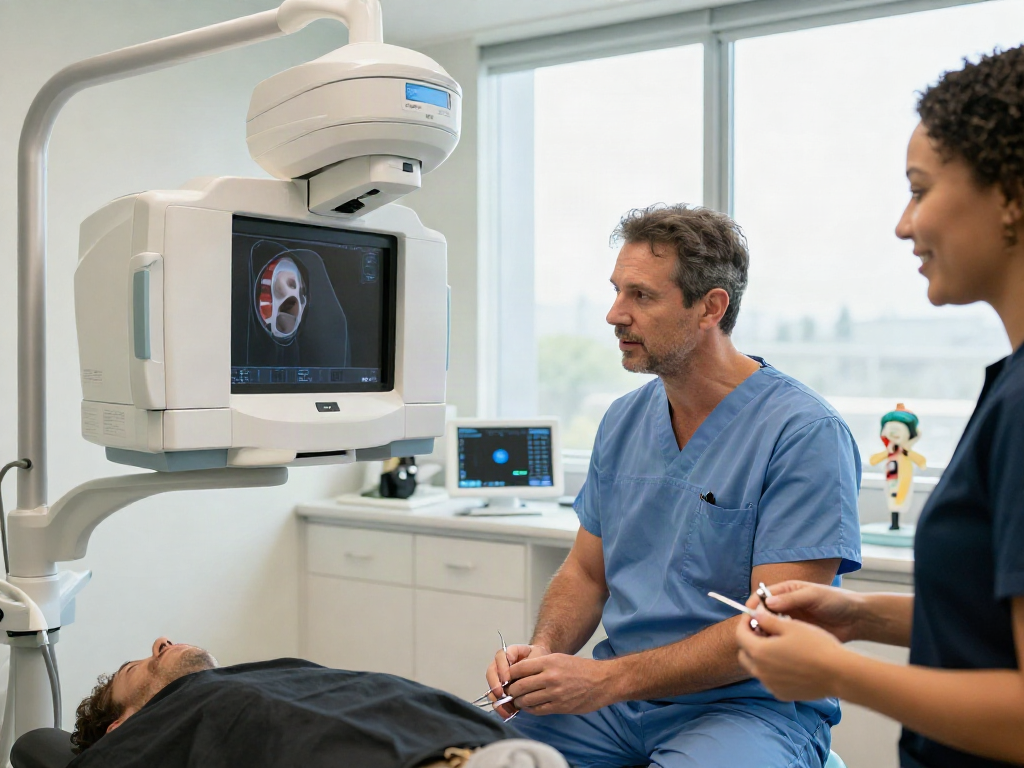
Understanding Oral Surgery: The Role of Dr. Michaelis
Oral surgery is a specialized field of dentistry that addresses a variety of conditions affecting the mouth, jaws, and face. It encompasses everything from wisdom tooth removal to complex corrective surgeries for jaw alignment and dental implants. With the advancements in technology and surgical techniques, choosing the right oral surgeon is crucial for a successful outcome and a smooth recovery process. When exploring options, Dr Michaelis top U.S. oral surgeon provides comprehensive insights into oral health and surgery.
What is Oral Surgery?
Oral surgery is a broad term that refers to surgical procedures related to the mouth and surrounding structures. This field is essential for diagnosing and treating various medical and dental conditions, including:
- Wisdom tooth extractions
- Dental implants
- Corrective jaw surgery (orthognathic surgery)
- Reconstructive surgery
- Facial trauma repair
These procedures are performed by specialized surgeons, ensuring that patients receive expert care tailored to their unique needs. Oral surgery can significantly improve both function and aesthetics, contributing to overall oral and physical health.
Meet Dr. Michaelis: Credentials and Experience
Dr. Michaelis is renowned in the field of oral surgery, recognized for his extensive training, significant clinical experience, and innovative techniques. Holding several certifications and affiliations with prestigious dental organizations, he is committed to staying at the forefront of advancements in oral surgery. His approach combines meticulous attention to detail with compassionate patient care, making him a preferred choice for many seeking oral surgical solutions. Patients can expect a comprehensive evaluation of their conditions, resulting in personalized treatment plans that prioritize their health and comfort.
Importance of Choosing a Top Oral Surgeon
Choosing the right oral surgeon is critical, as surgical outcomes can vary significantly based on the surgeon's skill, experience, and the facilities where procedures are performed. A top oral surgeon like Dr. Michaelis not only enhances the likelihood of a successful procedure but also minimizes the risks associated with surgery. Key factors to consider include:
- Board certifications and training
- Hospital affiliations and accreditation
- Patient reviews and testimonials
- Continuing education and staying updated with new technologies
Investing time in selecting a qualified oral surgeon can lead to a smoother experience and better long-term results.
Common Oral Surgery Procedures Performed by Dr. Michaelis
Wisdom Tooth Extractions: What to Expect
Wisdom tooth extraction is one of the most common procedures performed in oral surgery. Often, these third molars can lead to complications like overcrowding, impaction, or infection. Dr. Michaelis employs advanced imaging techniques to assess the position of wisdom teeth accurately and determine the best approach for extraction. Patients can expect a thorough pre-operative consultation, where they'll be informed about the procedure, sedation options, and aftercare instructions. Post-operative care is crucial for minimizing discomfort and ensuring a swift recovery.
Dental Implants: The Process Explained
Dental implants are a popular solution for missing teeth, providing a durable and aesthetically pleasing alternative. The process involves implanting a titanium post into the jawbone, which acts as a root for a replacement tooth. Dr. Michaelis specializes in this procedure, ensuring a high success rate through careful planning and execution. The timeline for dental implants typically includes:
- Initial consultation and imaging
- Implant surgery
- Osseointegration period (healing and bonding of the implant to bone)
- Placement of the crown or bridge
With Dr. Michaelis's expertise, patients can achieve improved function and confidence in their smiles.
Reconstructive Surgery: Why It Matters
Reconstructive oral surgery addresses complex issues such as facial trauma, congenital defects, or cancer-related disfigurements. This type of surgery aims to restore both aesthetics and functionality. Dr. Michaelis takes a multidisciplinary approach, collaborating with other specialists to design comprehensive treatment plans tailored to each patient's needs. Whether it's repairing a fractured jaw or reconstructing oral tissues post-cancer treatment, the focus remains on achieving optimal outcomes and enhancing quality of life.
Patient Care and Safety Standards in Oral Surgery
Pre-Operative Consultations: Importance and Benefits
Pre-operative consultations are vital for establishing a clear understanding of the patient's medical history, current health status, and specific concerns about the upcoming surgery. During these consultations, Dr. Michaelis meticulously assesses the patient's condition and explains what to expect during and after surgery. This transparency helps to alleviate anxiety and fosters a trusting relationship between surgeon and patient, which is crucial for a positive surgical experience.
Technology in Oral Surgery: Enhancing Patient Safety
Advancements in technology have significantly improved the safety and efficiency of oral surgical procedures. Dr. Michaelis utilizes state-of-the-art equipment, such as 3D imaging and computer-assisted surgery, to enhance precision during operations. This technology minimizes risks and improves surgical outcomes, allowing for shorter recovery times and better patient experiences.
Post-Operative Care: Recovery Expectations
Post-operative care is crucial for a successful recovery after oral surgery. Dr. Michaelis provides detailed post-operative instructions tailored to each procedure, addressing common concerns such as pain management, diet, and oral hygiene. Patients are encouraged to follow up with any questions or complications, ensuring all are addressed promptly. Understanding what to expect during the recovery process can significantly affect a patient’s comfort and healing.
Patient Experiences: Testimonials and Case Studies
Real Stories from Patients of Dr. Michaelis
Patient testimonials play a crucial role in understanding the quality of care provided by Dr. Michaelis. Many patients have shared their positive experiences, highlighting not only successful outcomes but also the compassionate approach taken during their treatment. These stories often emphasize the effectiveness of the surgical procedures and the supportive environment created by the entire staff.
Before and After: Transformative Results
Visual evidence of surgical success can be found in before-and-after galleries that document transformations achieved through various procedures. Dr. Michaelis's portfolio showcases not only aesthetic improvements but also enhanced functionality for patients. These transformations often result in increased self-esteem and improved quality of life.
Addressing Common Concerns: FAQs from Patients
Potential patients often have numerous questions before undergoing oral surgery. Common concerns include:
- What types of anesthesia are used?
- How painful will the procedure be?
- What is the expected recovery time?
- Are there risks associated with oral surgery?
Dr. Michaelis addresses these queries during consultations, ensuring that patients feel knowledgeable and comfortable with their decisions.
Future Trends in Oral Surgery for 2026 and Beyond
Technological Advances Impacting Oral Surgery
The landscape of oral surgery is continually evolving, with new technologies emerging that enhance surgical precision and patient outcomes. Innovations such as robotic-assisted surgery, augmented reality for surgical planning, and regenerative medicine techniques are on the horizon. These advancements promise to further improve the efficacy and safety of surgical procedures.
Patient-Centric Innovations in Dental Care
As patient demands evolve, the focus on patient-centric care is becoming more pronounced. Future practices in oral surgery are expected to incorporate more personalized treatment options, including tailored sedation protocols and enhanced communication methods through digital platforms. Engaging with patients through innovative technologies will empower them to take an active role in their treatment plans.
Emerging Techniques and Best Practices
Continued research and clinical trials will lead to the development of new surgical techniques and best practices. Emphasis on minimally invasive procedures is likely to increase, leading to reduced recovery times and less postoperative discomfort. Dr. Michaelis aims to integrate these emerging techniques into his practice, ensuring that patients receive the most effective and contemporary treatments available.
What types of procedures can Dr. Michaelis perform?
Dr. Michaelis is equipped to perform a wide range of procedures, including but not limited to wisdom tooth extractions, dental implants, and reconstructive surgeries. His extensive training allows him to manage simple to complex cases with confidence.
How does Dr. Michaelis ensure patient safety during surgery?
Patient safety is a top priority for Dr. Michaelis. He implements rigorous safety protocols, utilizes advanced technology, and conducts thorough pre-operative assessments to minimize risks associated with oral surgery. Each procedure is carried out in a fully accredited surgical facility, ensuring the highest standards of care.
What should I expect during my first consultation?
During your first consultation, Dr. Michaelis will review your medical history, discuss your concerns, and conduct a thorough examination. This initial meeting is essential for establishing a clear understanding of your needs and setting the stage for a successful treatment plan.
How can I prepare for my oral surgery?
Preparation for oral surgery typically involves following specific pre-operative instructions provided by Dr. Michaelis. This may include dietary restrictions, medication adjustments, and arranging for transportation post-surgery. Proper preparation can greatly enhance the surgery experience and recovery.
What are the signs that I need to see an oral surgeon?
Common signs that may necessitate a visit to an oral surgeon include persistent facial pain, difficulty eating or speaking, swelling in the jaw or face, or issues with wisdom teeth. If you notice any concerning symptoms, consulting with Dr. Michaelis can help determine if oral surgery is required.