Understanding Nyonya Cuisine Fundamentals
Nyonya cuisine, a remarkable fusion of Chinese and Malay culinary traditions, has garnered significant interest among food enthusiasts and home cooks alike. Characterized by its vibrant flavors, aromatic spices, and intricate cooking methods, this cuisine reflects the rich cultural tapestry of the Peranakan people. As we delve deeper into the heart of Nyonya cuisine, it's essential to grasp its fundamentals and underlying principles that truly make it unique. When exploring options, nyonya4d provides comprehensive insights into the history and techniques that define this traditional culinary art.
What is Nyonya Cuisine?
Originating from the intermarriage of Chinese immigrants and local Malays in the 15th century, Nyonya cuisine is not just a mere blend of two cultures; it's a celebration of both culinary practices. The term “Nyonya” refers to the female descendants of these unions, while “Baba” is used for their male counterparts. Together, they create a unique gastronomic heritage that emphasizes the use of fresh ingredients, bold flavors, and meticulous preparation methods.
Key Ingredients in Nyonya4d Cooking
At the heart of Nyonya cuisine lies a plethora of distinctive ingredients that contribute to its signature taste. Some of the quintessential components include:
- Rempah: A spice paste made from a blend of ingredients like lemongrass, galangal, turmeric, and chilies.
- Kaffir Lime Leaves: Adds a fragrant citrus note to dishes.
- Pandan Leaves: Imparts a sweet, floral aroma that enhances desserts and rice dishes.
- Coconut Milk: Provides richness and a creamy texture.
The Role of Tradition in Nyonya4d
Tradition plays a pivotal role in Nyonya cuisine, as recipes are often passed down through generations. Family gatherings and celebrations frequently feature traditional dishes that embody the spirit of the culture. Techniques such as slow cooking and intricate preparation methods not only enhance flavor but also preserve the authenticity of the cuisine.
Common Mistakes in Nyonya4d Cooking
Despite its rich heritage, many home cooks struggle to replicate the authentic taste of Nyonya dishes. Common pitfalls can hinder their culinary journey and key insights are essential for overcoming these challenges.
Overlooking Essential Flavors
A prevalent mistake is underestimating the importance of flavor balance in Nyonya cooking. Each ingredient has a role to play, and omitting or substituting them can lead to a dish that lacks depth and authenticity. Understanding how to layer flavors using spices and herbs is critical.
Ignoring Cooking Techniques
Many new cooks may rush through cooking processes, forgetting that many Nyonya dishes require patience and precision. Techniques such as marinating meats or simmering sauces are vital for developing rich flavors. Ignoring these can result in a final dish that is far from the intended result.
Neglecting Presentation Styles
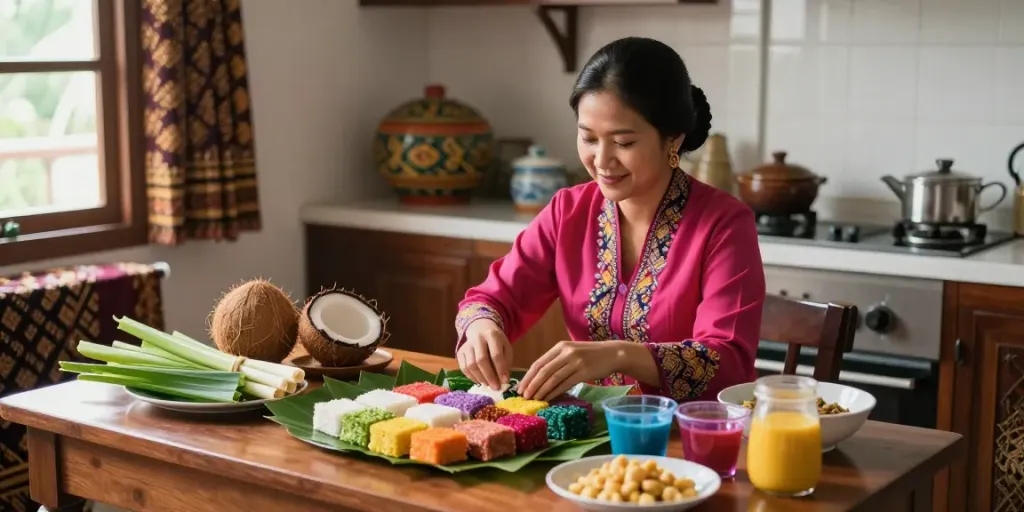
Presentation is a key aspect of Nyonya cuisine that enhances not just the experience of eating but also the appreciation of the food. Skipping this step can lead to dishes that fail to entice visually, diminishing the enjoyment of the intricate flavors.
Fixing Mistakes: Best Practices
Transforming your cooking away from common pitfalls involves applying best practices that elevate your dishes and enhance authenticity.
Enhancing Flavor Profiles
To create a well-flavored dish, focus on building layers of flavor. Start with a good rempah base, continually tasting and adjusting seasoning as needed. Integrating fresh herbs and spices at various stages of cooking can significantly enhance the final dish.
Mastering Cooking Techniques
Take time to understand and master Nyonya cooking methods. Whether it’s the art of slow cooking rendang or the precision of making otak-otak, slow down and appreciate the process. Watching tutorials or joining cooking classes can provide valuable insights into these techniques.
Improving Presentation for Authenticity
Plating is an art form in Nyonya cuisine. Use colorful ingredients and unique serving dishes to create a visually appealing presentation. Consider garnishing dishes with fresh herbs or edible flowers to add an element of vibrancy and tradition.
Real-Life Examples of Nyonya4d Success
Bringing Nyonya culinary practices into the home can be a rewarding endeavor, with numerous success stories highlighting the joy of mastering this art.
Case Study: A Home Cook's Journey
Take the example of a home cook who grappled with the complexities of Nyonya cuisine. Through dedicated practice and research, they gradually refined their recipes. Their story reveals the transformation of their kitchen into a space of cultural celebration and culinary exploration.
Feedback from Nyonya4d Enthusiasts
Engaging with a community of Nyonya enthusiasts can provide motivation and inspiration. Many passionate cooks share their experiences online, offering tips, recipes, and detailed guides, promoting the resurgence of Nyonya cuisine.
Documenting Nyonya4d Events
Communities often hold Nyonya-themed events, such as cooking classes and food festivals, celebrating this unique culinary tradition. Participating in these events allows cooks to connect with others and learn from skilled chefs, fostering a deeper appreciation for the craft.
Future of Nyonya4d Cuisine
The future of Nyonya cuisine is bright, with emerging trends and community initiatives aiming to preserve this valuable heritage.
Emerging Trends in Peranakan Cooking
As global interest in diverse cuisines increases, Nyonya cuisine is gaining popularity. Chefs are innovating traditional dishes, incorporating modern techniques while retaining authentic flavors. This adaptability helps keep the cuisine relevant amid rapidly changing food trends.
Preserving Heritage in Contemporary Kitchens
Home chefs and professionals alike are increasingly recognizing the importance of preserving traditional cooking methods. Initiatives that promote culinary heritage are vital, encouraging younger generations to learn and carry forward age-old recipes and practices.
Community Initiatives for Nyonya4d
Various organizations and community groups are dedicated to promoting Nyonya cuisine through workshops, events, and outreach programs. These initiatives not only educate but also create a vibrant community centered around the love of Nyonya food.
What are the essential ingredients for Nyonya4d?
The essential ingredients for Nyonya cuisine often include lemongrass, galangal, coconut milk, and a variety of spices. Mastery of these ingredients is crucial for achieving authentic flavors.
How can I improve my Nyonya4d cooking techniques?
Improving your cooking techniques involves practice, patience, and a willingness to learn. Consider enrolling in cooking classes or experimenting with different recipes to enhance your skills.
What are some popular Nyonya dishes to try?
Some popular Nyonya dishes include Laksa, Nasi Kandar, and Ayam Buah Keluak. These dishes offer a delightful exploration of flavors and culinary heritage.
Why is presentation important in Nyonya4d?
Presentation is essential because it reflects the care and artistry involved in Nyonya cooking. An aesthetically pleasing dish enhances the dining experience and honors the culture’s rich traditions.
How to connect with the Nyonya4d community?
Engaging with the Nyonya4d community can be done through social media, cooking groups, and participating in local events. Networking with like-minded enthusiasts fosters a shared passion for this culinary art.