Understanding the Importance of Early Childhood Education
Early childhood education plays a crucial role in shaping a child's development, laying the foundation for lifelong learning. Numerous studies have shown that the early years—specifically from birth to age five—are critical for cognitive, emotional, and social growth. According to research, quality early education not only boosts academic performance but also enhances interpersonal skills and emotional intelligence. In Singapore, where educational standards are exceptionally high, choosing the right preschool is paramount. This is where international kindergarten Singapore institutions like Pegasus International Preschool come into play, providing a holistic approach to early learning.
Why Choose International Kindergarten Singapore?
Opting for an international kindergarten in Singapore offers various advantages that cater to the diverse needs of families residing in this multicultural society. These institutions often have a curriculum that encourages cultural diversity while promoting inclusivity. Additionally, they tend to focus on inquiry-based learning, which nurtures curiosity and fosters critical thinking skills. Children in an international setting gain exposure to multiple languages and cultures, equipping them with the adaptability needed in a globalized world.
The Role of Inquiry-Based Learning in Preschool Settings
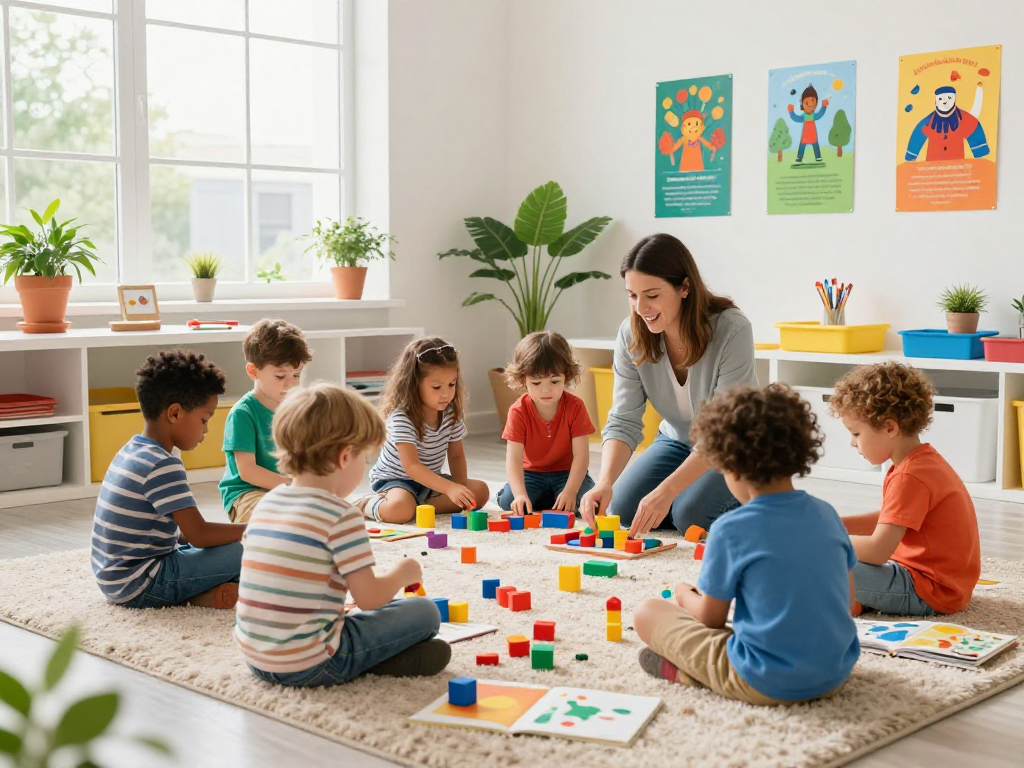
Inquiry-based learning is a fundamental approach that encourages children to ask questions and seek answers through exploration and discovery. This learning style empowers young learners to take the lead in their educational journey, allowing them to connect concepts meaningfully. At Pegasus International Preschool, the curriculum is designed to stimulate curiosity through hands-on activities, ensuring that children not only absorb information but also engage deeply with their learning environment.
Benefits of Multilingual Exposure in Early Education
Exposure to multiple languages at an early age has significant cognitive and social benefits. For instance, children who learn in a multilingual environment demonstrate enhanced problem-solving skills and greater creativity. At Pegasus, children are introduced to English, Mandarin, and Japanese, thus preparing them for a future where multilingualism is increasingly valuable. This exposure helps cultivate a broader perspective and greater appreciation for diverse cultures.
Key Features of Top International Kindergartens
Holistic Development Approaches in Curriculum
Top international kindergartens, such as Pegasus, employ a holistic approach that integrates various aspects of development—cognitive, emotional, social, and physical. The curriculum is not just about academic learning; it also includes activities that foster social skills and emotional resilience. For example, collaborative projects and artistic expression are essential components of the learning experience, helping children develop teamwork and communication skills.
Interactive Learning Environments that Foster Growth
Interactive learning environments are crucial for young learners, allowing them to explore freely and engage meaningfully with their surroundings. At Pegasus International Preschool, spacious classrooms are designed to inspire creativity and inquiry. Children have access to both indoor and outdoor spaces that encourage active play and exploration, making learning both enjoyable and effective.
Importance of Experienced Educators in Child Development
Experienced educators play a vital role in early childhood education. They not only deliver the curriculum but also serve as mentors and guides. At Pegasus, the faculty is composed of highly trained professionals who are dedicated to nurturing each child's unique abilities. With a low student-to-teacher ratio, educators can provide individualized attention, ensuring that every child is supported in their learning journey.
Admission Process and What to Expect
Finding the Right Fit: Touring International Kindergartens
Visiting potential kindergartens is an essential step in the admission process. Parents can assess the school's environment, interact with teachers, and observe the children in their daily activities. Tours at Pegasus International Preschool are designed to give parents an authentic feel of the school's culture and approach to learning.
Application Requirements and Open House Events
Application requirements vary by school but generally include submitting an application form, providing necessary documentation, and possibly participating in an interview. Pegasus hosts open house events where parents can gather information about the curriculum and the school’s philosophy, allowing them to make informed decisions about their child's education.
Understanding Fee Structures and Financial Planning
Understanding the fee structure is crucial for parents to plan financially for their child's education. International kindergartens often have different pricing tiers based on the programs offered. It's important to consider not just the tuition fees, but also additional costs such as materials, extracurricular activities, and meals. Pegasus International Preschool offers transparent fee structures, making it easier for families to budget accordingly.
Insights from Parents and Educators
Testimonials Highlighting Holistic Growth Experiences
Testimonials from parents can provide invaluable insights into the effectiveness of a kindergarten program. For instance, many parents of children at Pegasus have noted how the school has instilled a love for learning and fostered social skills through its interactive and engaging curriculum. These testimonials often highlight the positive transformations they observe in their children as they grow and develop.
Common Concerns and FAQs about International Education
Parents often have questions and concerns regarding international education. Common inquiries include the suitability of the curriculum for local and expatriate children, the integration of cultural diversity, and how schools support language acquisition. At Pegasus, educators are committed to transparency and regularly engage with parents to address their concerns and provide updates on their children's progress.
Educator Perspectives on Child Development and Learning
Educators at international kindergartens emphasize the importance of fostering an environment where children feel safe to express themselves and explore their interests. Through ongoing professional development, teachers remain current on best practices in early childhood education, ensuring they are equipped to meet the diverse needs of their students effectively.
Future Trends in Preschool Education for 2026 and Beyond
Emerging Technologies in Early Childhood Learning
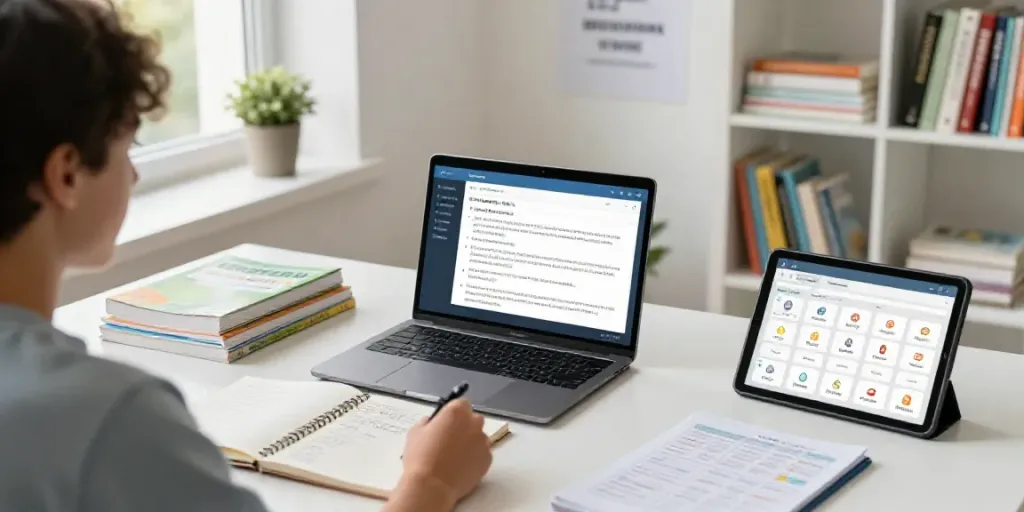
As technology continues to evolve, so too does its integration into early childhood education. The future of preschool learning will likely include more digital tools that enhance interactive learning experiences. Educators are increasingly utilizing apps and educational games that encourage critical thinking and problem-solving skills, fostering a modern educational environment.
The Shift Towards Sustainable and Inclusive Education
In the coming years, there will be an increasing emphasis on sustainability and inclusivity in preschool education. Institutions like Pegasus are adopting practices that not only teach children about environmental responsibility but also foster a sense of social justice and equity. This prepares children to become not just learners but also responsible global citizens.
Preparing Children for Global Citizenship
As the world becomes more interconnected, preschool education must prepare children for global citizenship. This involves teaching children to appreciate cultural differences and instill a sense of empathy towards others. Programs that embrace diversity and provide multilingual education help cultivate a generation that is not only educated but also socially conscious and culturally aware.
What age is appropriate for enrollment in international kindergartens?
The typical age for enrollment in international kindergartens ranges from 18 months to 6 years. Early enrollment allows children to benefit from structured learning environments that promote socialization and foundational skills.
How do international kindergartens support cultural diversity?
International kindergartens actively promote cultural diversity through their curricula, which often include multicultural activities and celebrations. This exposure helps children appreciate various cultures and fosters acceptance and understanding.
What are the benefits of multilingual education for preschoolers?
Multilingual education offers numerous advantages, including improved cognitive flexibility, enhanced communication skills, and increased cultural awareness. Children who learn multiple languages tend to be more adaptable and better equipped for future academic challenges.
How can parents get involved in their child's education?
Parental involvement is crucial for a child's educational success. Parents can engage by participating in school activities, attending parent-teacher meetings, and supporting their child's learning at home through various educational activities and discussions.
What unique teaching methods do international kindergartens use?
International kindergartens often employ unique teaching methods, including inquiry-based learning and experiential education. These approaches encourage children to ask questions, think critically, and learn through hands-on experiences, making education more engaging and meaningful.